

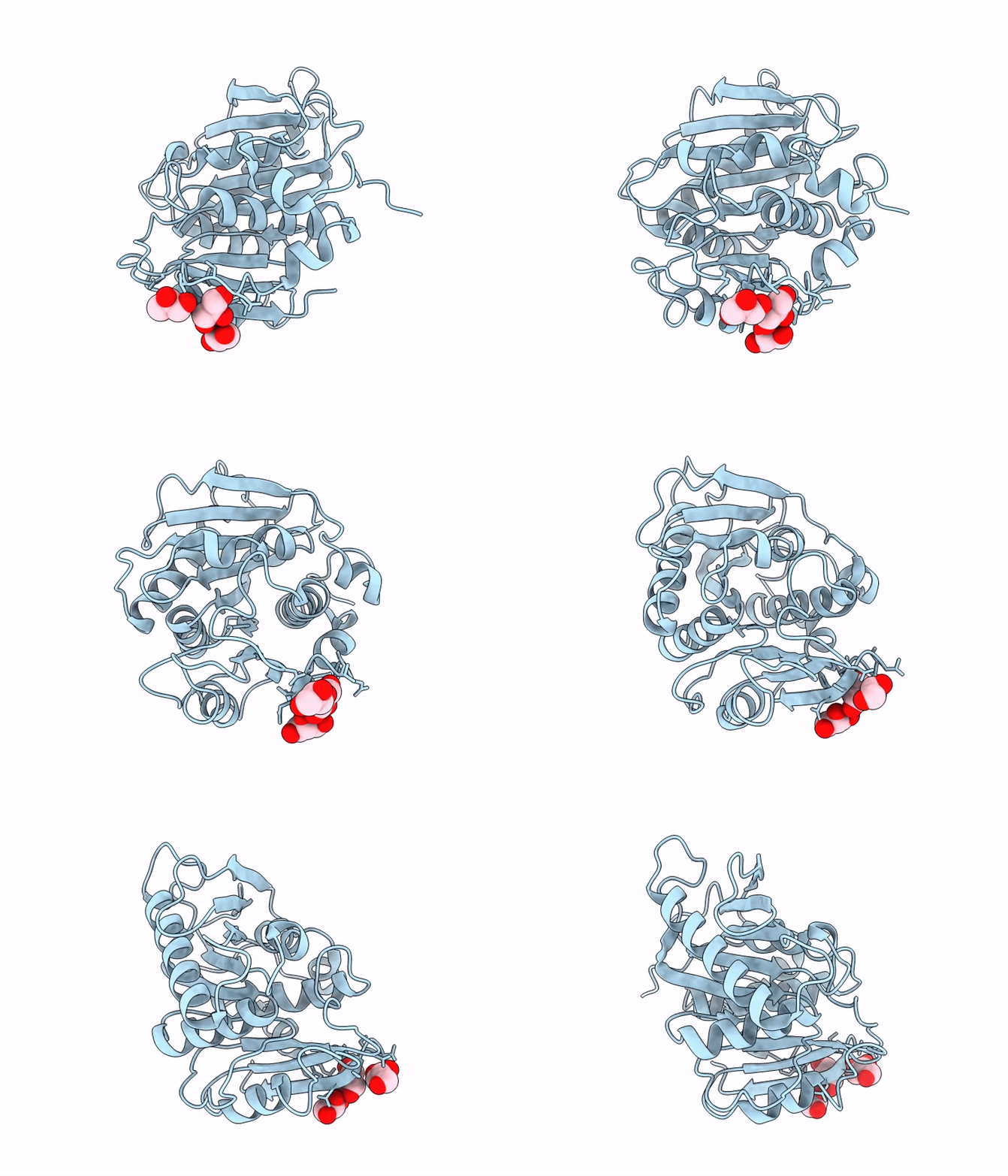
9M8H image
Deposition Date 2025-03-11
Release Date 2026-01-21
Last Version Date 2026-01-21
Entry Detail
PDB ID:
9M8H
Keywords:
Title:
Crystal structure of wild-type PETase
Biological Source:
Source Organism(s):
Expression System(s):
Method Details:
Experimental Method:
Resolution:
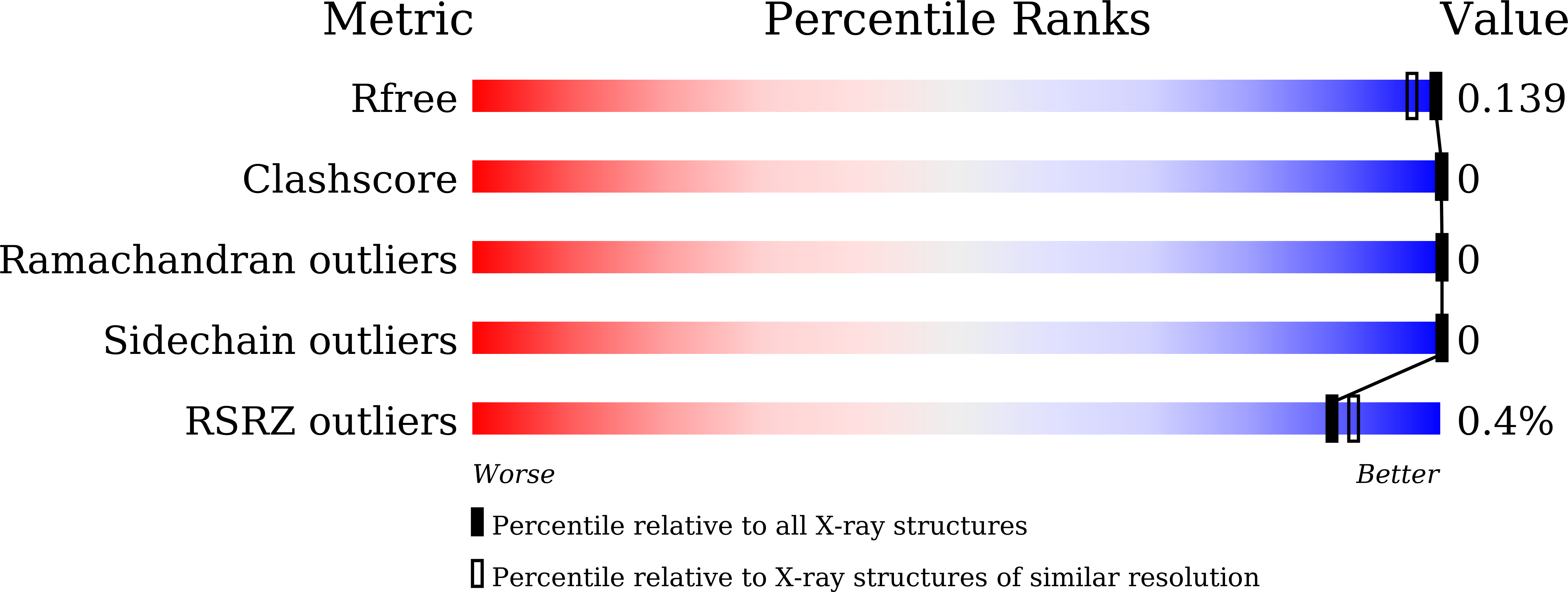
1.30 Å
R-Value Free:
0.13
R-Value Work:
0.11
R-Value Observed:
0.11
Space Group:
P 21 21 21
Macromolecular Entities
Structures with similar UniProt ID
Protein Blast
Polymer Type:polypeptide(L)
Molecule:Poly(ethylene terephthalate)
Gene (Uniprot):ISF6_4831
Chain IDs:A
Chain Length:265
Number of Molecules:1
Biological Source:Piscinibacter sakaiensis
Ligand Molecules
Primary Citation
Enhancing the specificity of a thermostable PET hydrolase toward aromatic polyesters via Piscinibacter sakaiensis PETase-inspired mutations.
Int.J.Biol.Macromol. 338 149745 149745 (2025)
PMID: 41418965 DOI: 10.1016/j.ijbiomac.2025.149745

Abstact

The biodegradation of poly(ethylene terephthalate) (PET), a widely used thermoplastic, represents a significant environmental challenge. Microbial PET hydrolytic enzymes (PHEs) are being actively explored as biocatalysts for sustainable PET recycling. Here, we investigated the molecular basis of substrate specificity in PET hydrolase (PETase) from Piscinibacter sakaiensis (formerly Ideonella sakaiensis), a type IIb PHE with higher PET specificity and hydrolytic activity at mesophilic temperatures compared to other PHEs. Structural comparison with the thermostable leaf-branch compost cutinase (LCC, type I) revealed four distinct active-site residues (W159, S238, C203, C239 in PETase) between PETase and LCC. Several PETase-inspired LCC mutants showed markedly increased PET specificity, identifying residues that enhance substrate recognition in type I scaffolds. While PETase is known to hydrolyze poly(ethylene-2,5-furandicarboxylate) (PEF), a bio-based PET alternative, we found that its selectivity for PEF over PET is markedly higher than that of LCC. Notably, the LCC mutant L-H164W exhibited PETase-like behavior, significantly enhancing PEF hydrolysis without compromising PET activity. To elucidate this mechanism, we determined the first crystal structure of PETase complexed with bis(2-hydroxyethyl) furan-2,5-dicarboxylate (BHEF), a PEF moiety. The structure suggested an alternative catalytic mode involving cleavage at subsite IIa, supported by docking simulations showing that H164W promotes optimal PEF positioning in LCC. These findings highlight the role of PETase-specific residues in defining polyester specificity and provide a framework for engineering thermostable PHEs with enhanced activity toward aromatic polyesters such as PET and PEF.

Legend

Protein

Chemical

Disease

Primary Citation of related structures
Feedback Form
Name
Email
Institute
Feedback