

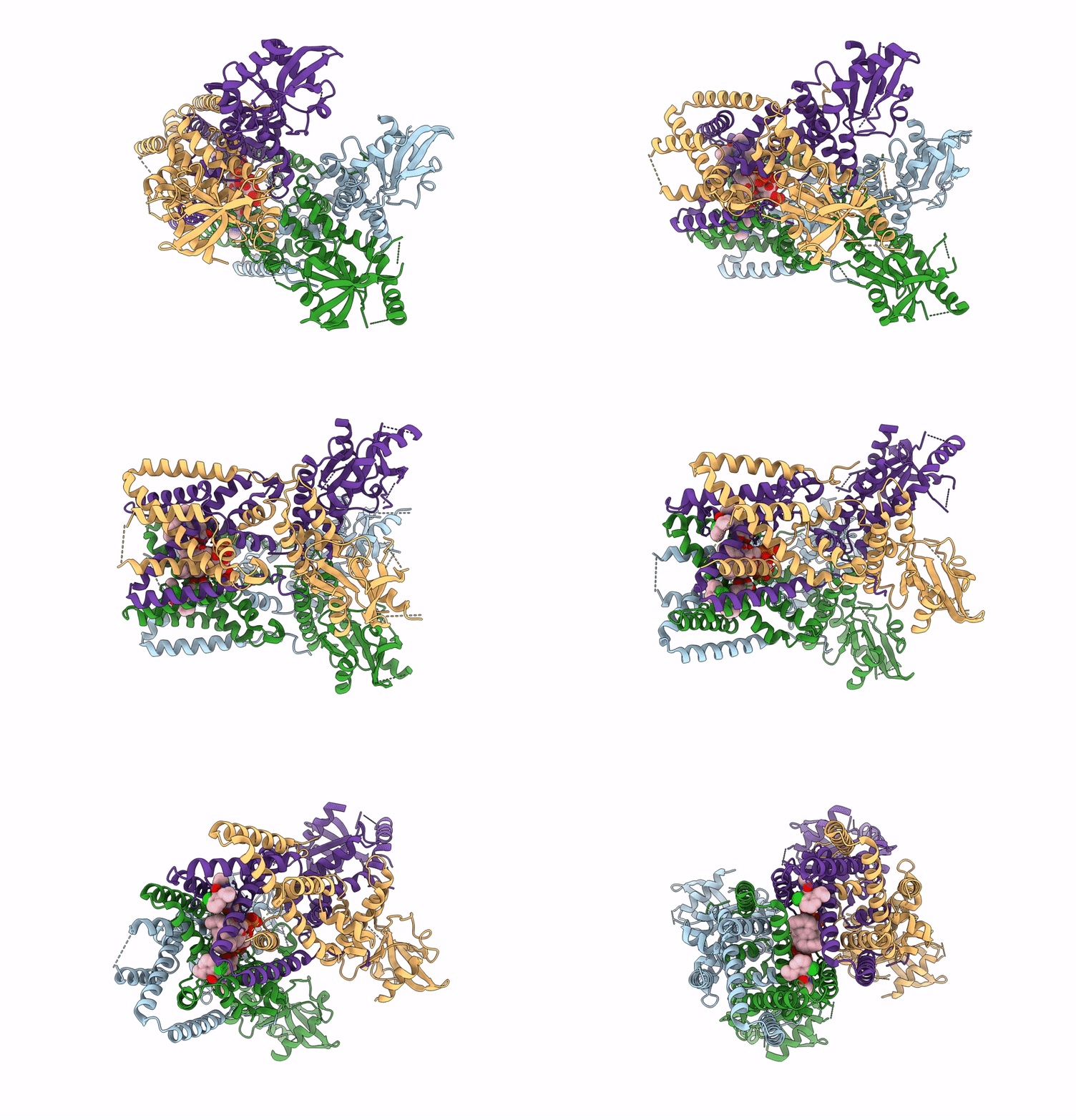
9JW6 image
Deposition Date 2024-10-09
Release Date 2025-10-15
Last Version Date 2026-04-29
Entry Detail
PDB ID:
9JW6
Title:
STING bound with a novel small molecule agonist
Biological Source:
Source Organism(s):
Homo sapiens (Taxon ID: 9606)
Expression System(s):
Method Details:
Experimental Method:
Resolution:
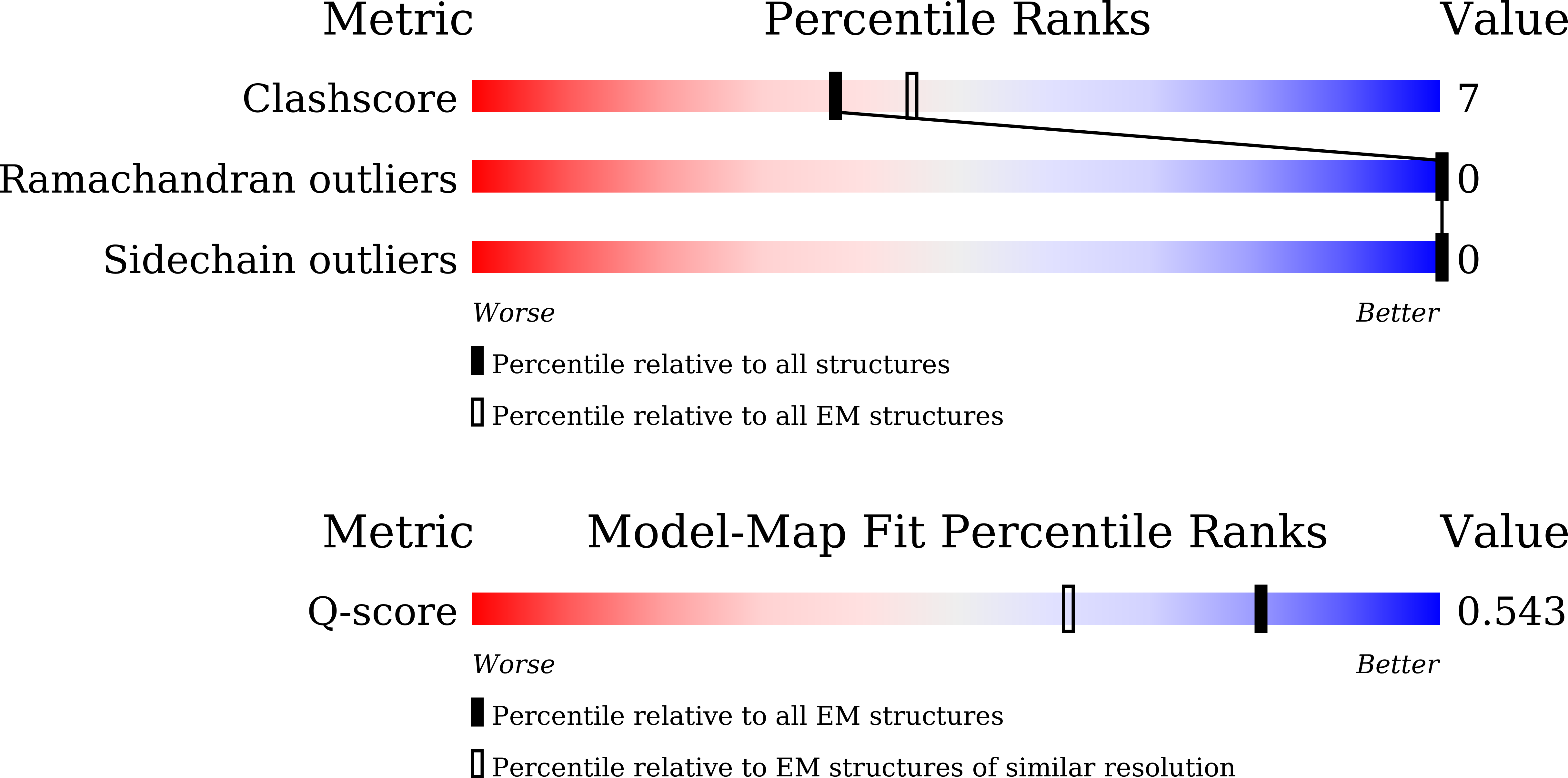
2.71 Å
Aggregation State:
PARTICLE
Reconstruction Method:
SINGLE PARTICLE
Macromolecular Entities
Structures with similar UniProt ID
Protein Blast
Polymer Type:polypeptide(L)
Molecule:Stimulator of interferon gene
Gene (Uniprot):STING1
Chain IDs:A, B, C, D
Chain Length:331
Number of Molecules:4
Biological Source:Homo sapiens
Ligand Molecules
Primary Citation
A chemical agonist and the Golgi-resident lipid PI4P activate STING by inducing transmembrane helix rearrangement.
Immunity 59 34 47.e9 (2026)
PMID: 41352342 DOI: 10.1016/j.immuni.2025.11.004

Abstact

The cyclic GMP-AMP synthase (cGAS)-stimulator of interferon genes (STING) signaling pathway is critical in innate immunity. Recent research has highlighted the importance of phosphatidylinositol 4-phosphate (PI4P) signaling within the Golgi apparatus for STING activation. However, the exact molecular mechanisms by which PI4P regulates STING have remained unclear. Here, we report the activation mechanism of STING triggered by PI4P and a chemical STING agonist, GNE-6468. Utilizing cryoelectron microscopy, we determined that GNE-6468 bound to a distinct pocket within the STING transmembrane (TM) domain, promoting outward movements of the STING TM3 helix without altering the conformation of the ligand-binding domain. Notably, we provided structural insights into STING bound to both PI4P and GNE-6468, and they collectively induced STING oligomerization and STING-mediated immune responses. Functional assays further confirmed that the interactions among STING, PI4P, and GNE-6468 were essential for STING activation. Collectively, these results demonstrate that PI4P and GNE-6468 cooperatively bind STING to activate its signaling, highlighting its therapeutic potential.

Legend

Protein

Chemical

Disease

Primary Citation of related structures
Feedback Form
Name
Email
Institute
Feedback