

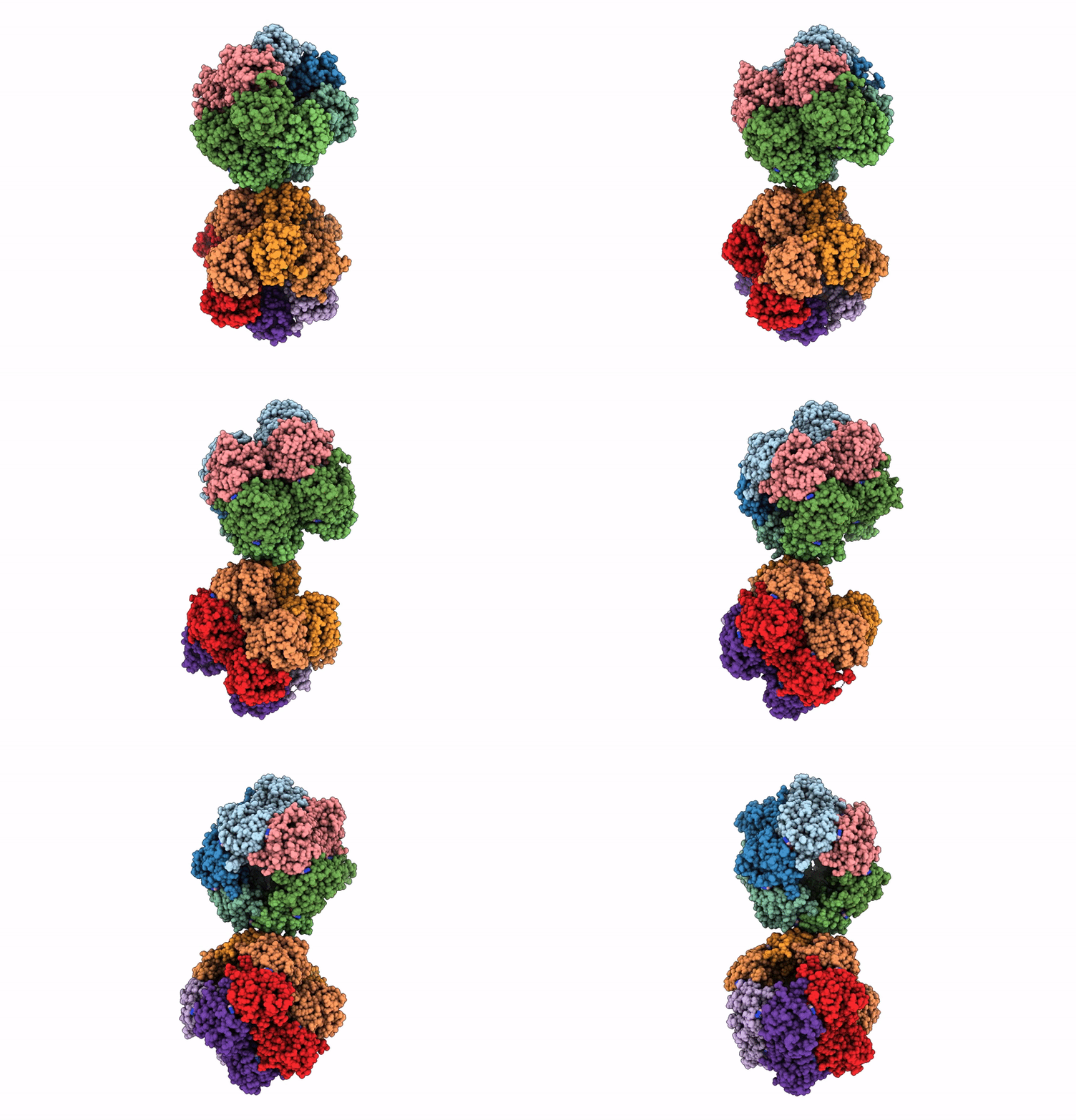
8ZN5 image
Deposition Date 2024-05-26
Release Date 2025-04-16
Last Version Date 2026-04-29
Entry Detail
PDB ID:
8ZN5
Keywords:
Title:
Crystal Structure of Designed Clock Protein KaiC
Biological Source:
Source Organism(s):
Expression System(s):
Method Details:
Experimental Method:
Resolution:
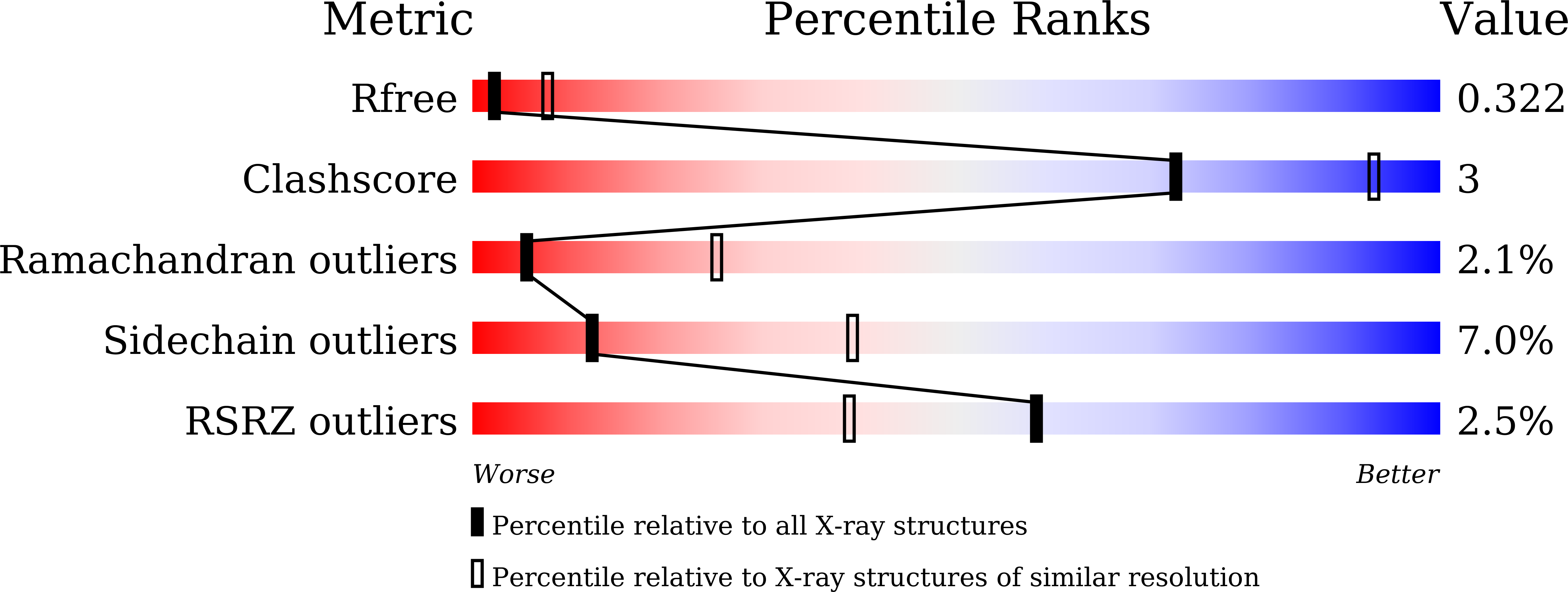
3.10 Å
R-Value Free:
0.32
R-Value Work:
0.28
R-Value Observed:
0.28
Space Group:
P 1 21 1
Macromolecular Entities
Structures with similar UniProt ID
Protein Blast
Polymer Type:polypeptide(L)
Molecule:KaiC
Chain IDs:A (auth: B), B (auth: C), C (auth: F), D (auth: A), E (auth: D), F (auth: E), G, H, I (auth: K), J (auth: L), K (auth: I), L (auth: J)
Chain Length:518
Number of Molecules:12
Biological Source:synthetic construct
Primary Citation
Evolutionary origins of self-sustained Kai protein circadian oscillators in cyanobacteria.
Nat Commun 16 4541 4541 (2025)
PMID: 40374681 DOI: 10.1038/s41467-025-59908-7

Abstact

Light-dark cycles affect photosynthetic efficiency in autotrophic cyanobacteria; therefore, determining whether ancient cyanobacteria possessed a self-sustained circadian clock when oxygenic photosynthetic systems were established is an important issue in chronobiology. Here we examine the oscillation of the clock protein KaiC in modern cyanobacteria, as well as the function and structure of ancestral Kai proteins, to determine the evolutionary origin of the self-sustained Kai-protein oscillators. The results show that the oldest double-domain KaiC in ancestral bacteria lacks the factors functionally and structurally essential for rhythmicity. The ancestral Kai proteins have acquired these factors through molecular evolution that occurred around Global Oxidation and Snowball Earth events, and are eventually inherited as a self-sustained circadian oscillator by the most recent common ancestor of cyanobacteria capable of oxygenic photosynthesis. This autonomous Kai protein oscillator is further inherited by most freshwater and marine cyanobacteria present today as an autotrophic basis for time-optimal acquisition and consumption of energy from oxygenic photosynthesis.

Legend

Protein

Chemical

Disease

Primary Citation of related structures
Feedback Form
Name
Email
Institute
Feedback