

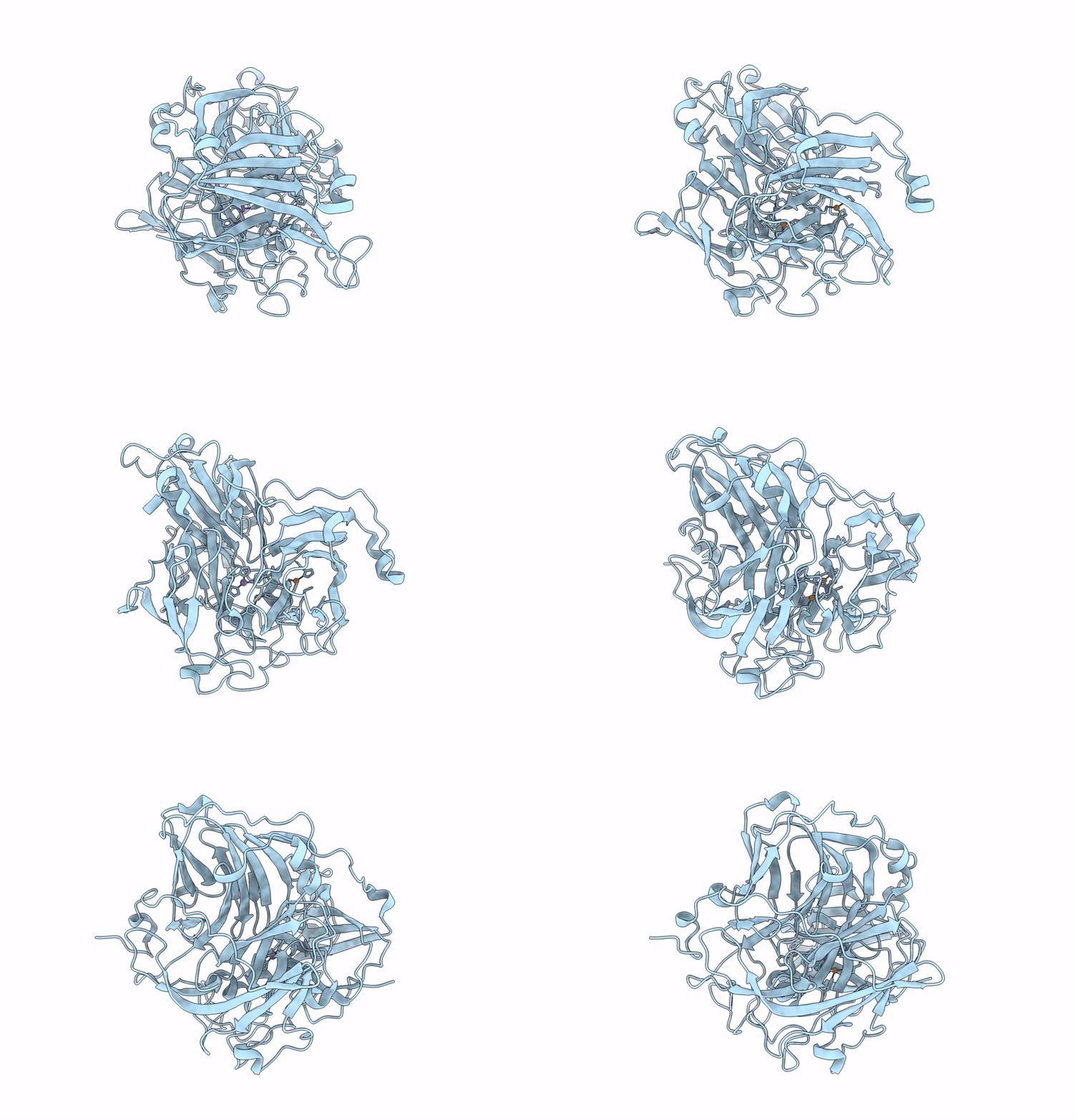
8Z5B image
Deposition Date 2024-04-18
Release Date 2025-02-19
Last Version Date 2025-02-19
Entry Detail
PDB ID:
8Z5B
Keywords:
Title:
The X-Ray crystal structure of multicopper oxidase from Bacillus freudenreichii
Biological Source:
Source Organism(s):
Expression System(s):
Method Details:
Experimental Method:
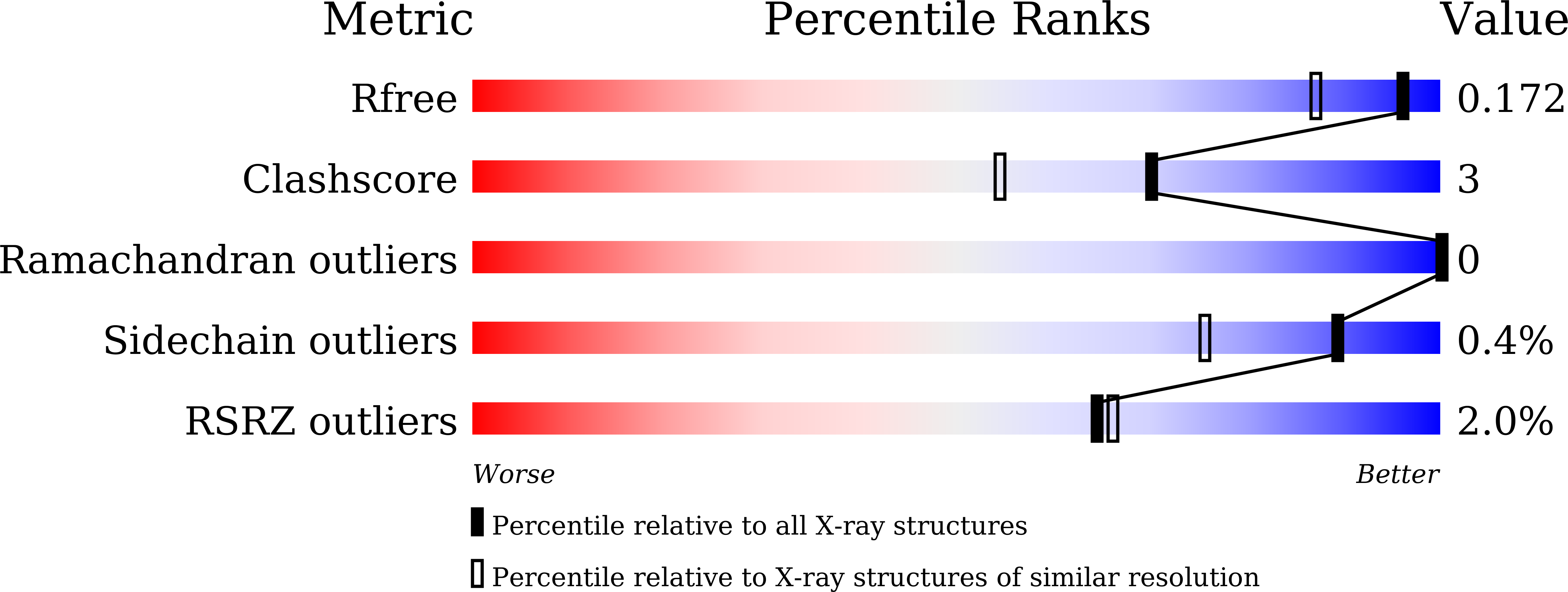
Resolution:
1.40 Å
R-Value Free:
0.17
R-Value Work:
0.15
R-Value Observed:
0.15
Space Group:
P 41 21 2
Macromolecular Entities
Structures with similar UniProt ID
Protein Blast
Polymer Type:polypeptide(L)
Molecule:Multicopper oxidase
Chain IDs:A
Chain Length:553
Number of Molecules:1
Biological Source:Bacillus freudenreichii
Primary Citation
ESM-Ezy: a deep learning strategy for the mining of novel multicopper oxidases with superior properties.
Nat Commun 16 3274 3274 (2025)
PMID: 40188191 DOI: 10.1038/s41467-025-58521-y

Abstact

The UniProt database is a valuable resource for biocatalyst discovery, yet predicting enzymatic functions remains challenging, especially for low-similarity sequences. Identifying superior enzymes with enhanced catalytic properties is even harder. To overcome these challenges, we develop ESM-Ezy, an enzyme mining strategy leveraging the ESM-1b protein language model and similarity calculations in semantic space. Using ESM-Ezy, we identify novel multicopper oxidases (MCOs) with superior catalytic properties, achieving a 44% success rate in outperforming query enzymes (QEs) in at least one property, including catalytic efficiency, heat and organic solvent tolerance, and pH stability. Notably, 51% of the MCOs excel in environmental remediation applications, and some exhibited unique structural motifs and unique active centers enhancing their functions. Beyond MCOs, 40% of L-asparaginases identified show higher specific activity and catalytic efficiency than QEs. ESM-Ezy thus provides a promising approach for discovering high-performance biocatalysts with low sequence similarity, accelerating enzyme discovery for industrial applications.

Legend

Protein

Chemical

Disease

Primary Citation of related structures
Feedback Form
Name
Email
Institute
Feedback