

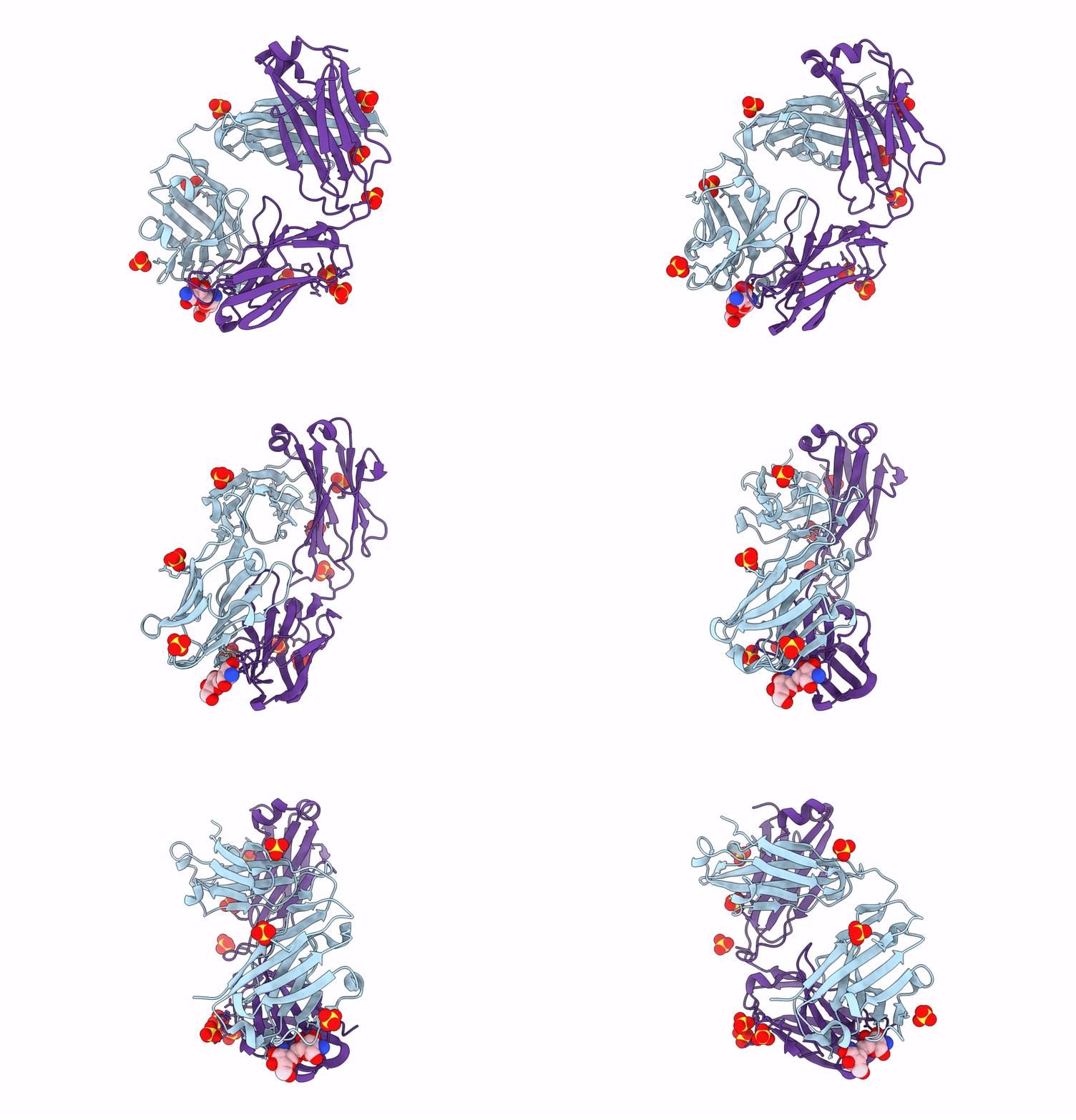
8TN7 image
Deposition Date 2023-08-01
Release Date 2024-12-04
Last Version Date 2024-12-04
Entry Detail
PDB ID:
8TN7
Keywords:
Title:
The Crystal Structure of a human monoclonal antibody (aAb), termed TG10, complexed with a disaccharide
Biological Source:
Source Organism(s):
Homo sapiens (Taxon ID: 9606)
Expression System(s):
Method Details:
Experimental Method:
Resolution:
1.56 Å
R-Value Free:
0.19
R-Value Work:
0.16
R-Value Observed:
0.17
Space Group:
P 65 2 2
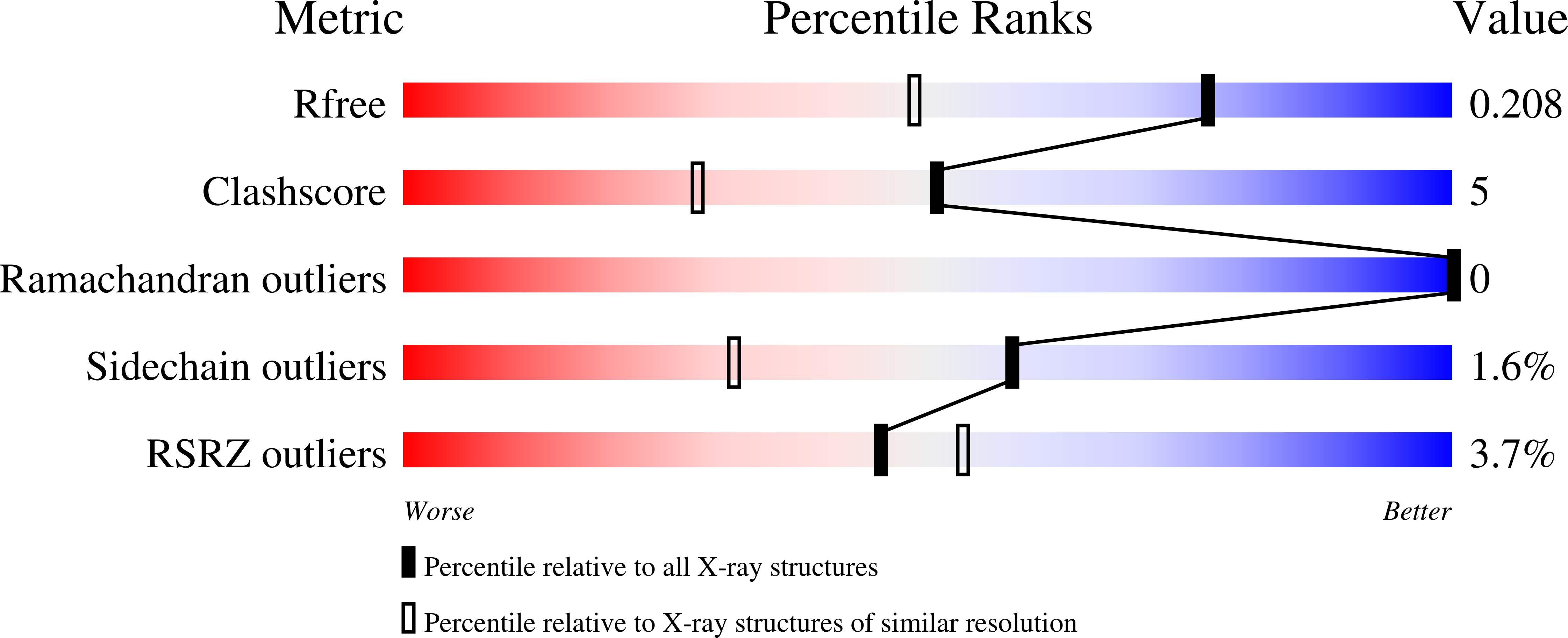
Macromolecular Entities
Structures with similar UniProt ID
Protein Blast
Polymer Type:polypeptide(L)
Molecule:TG10, heavy chain
Chain IDs:A (auth: H)
Chain Length:220
Number of Molecules:1
Biological Source:Homo sapiens
Structures with similar UniProt ID
Protein Blast
Polymer Type:polypeptide(L)
Molecule:TG10, Light chain
Chain IDs:B (auth: L)
Chain Length:214
Number of Molecules:1
Biological Source:Homo sapiens
Primary Citation
Insights into biofilm architecture and maturation enable improved clinical strategies for exopolysaccharide-targeting therapeutics.
Cell Chem Biol 31 2096 2111.e7 (2024)
PMID: 39637855 DOI: 10.1016/j.chembiol.2024.11.005

Abstact

Polysaccharide intercellular adhesin (PIA), an exopolysaccharide composed of poly-N-acetyl glucosamine (PNAG), is an essential component in many pathogenic biofilms. Partial deacetylation of PNAG is required for biofilm formation, but limited structural knowledge hinders therapeutic development. Employing a new monoclonal antibody (TG10) that selectively binds highly deacetylated PNAG and an antibody (F598) in clinical trials that binds highly acetylated PNAG, we demonstrate that PIA within the biofilm contains distinct regions of highly acetylated and deacetylated exopolysaccharide, contrary to the previous model invoking stochastic deacetylation throughout the biofilm. This discovery led us to hypothesize that targeting both forms of PNAG would enhance efficacy. Remarkably, TG10 and F598 synergistically increased in vitro and in vivo activity, providing 90% survival in a lethal Staphylococcus aureus challenge murine model. Our advanced model deepens the conceptual understanding of PIA architecture and maturation and reveals improved design strategies for PIA-targeting therapeutics, vaccines, and diagnostic agents.

Legend

Protein

Chemical

Disease

Primary Citation of related structures
Feedback Form
Name
Email
Institute
Feedback