

7VKI image
Deposition Date 2021-09-30
Release Date 2022-10-05
Last Version Date 2024-11-13
Entry Detail
PDB ID:
7VKI
Title:
ESRP1 qRRM2 in complex with 12mer-RNA
Biological Source:
Source Organism(s):
Expression System(s):
Method Details:
Experimental Method:
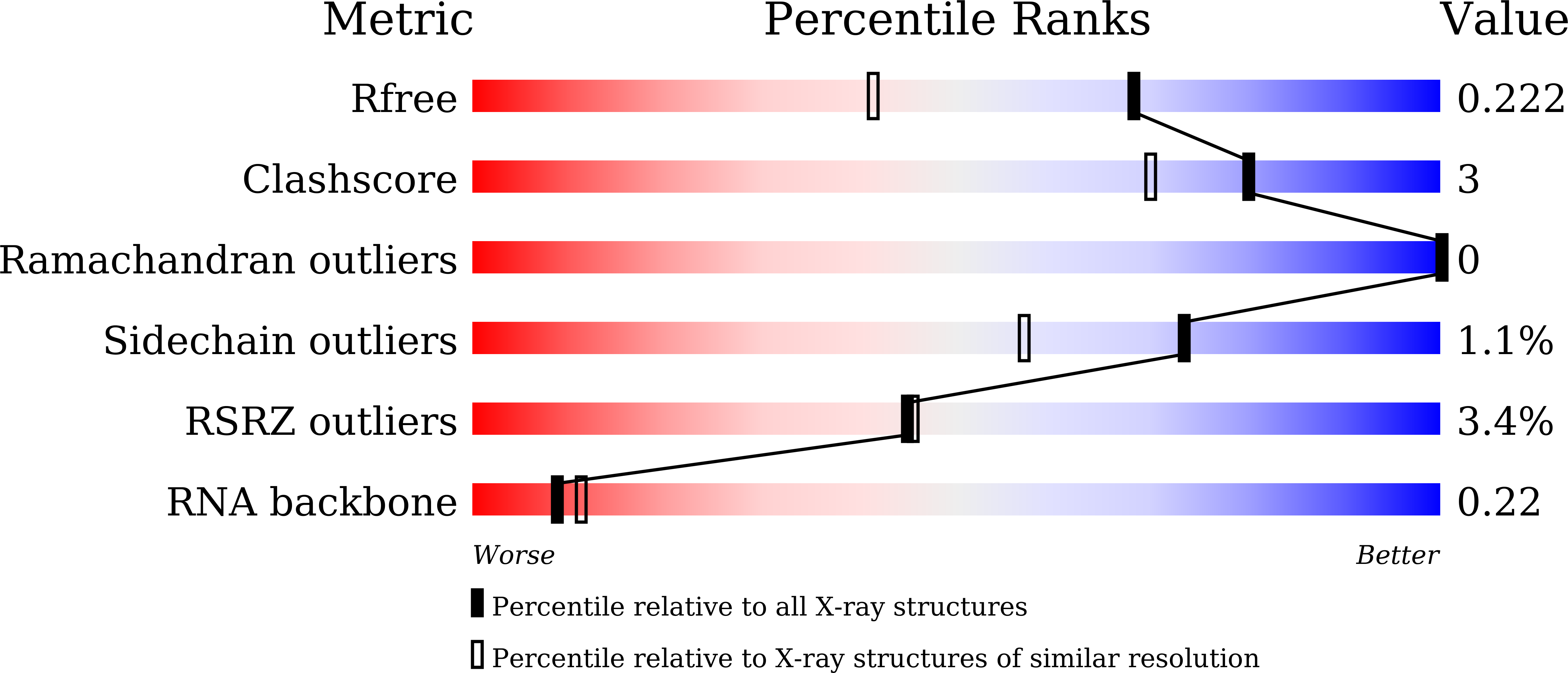
Resolution:
1.65 Å
R-Value Free:
0.22
R-Value Work:
0.19
R-Value Observed:
0.19
Space Group:
P 31 2 1
Macromolecular Entities
Structures with similar UniProt ID
Protein Blast
Polymer Type:polypeptide(L)
Molecule:Epithelial splicing regulator
Gene (Uniprot):ESRP1
Chain IDs:A
Chain Length:119
Number of Molecules:1
Biological Source:Homo sapiens
Polymer Type:polyribonucleotide
Molecule:RNA (12-mer)
Chain IDs:B
Chain Length:12
Number of Molecules:1
Biological Source:synthetic construct
Primary Citation
ESRP1 controls biogenesis and function of a large abundant multiexon circRNA.
Nucleic Acids Res. ? ? ? (2023)
PMID: 38015468 DOI: 10.1093/nar/gkad1138

Abstact

While the majority of circRNAs are formed from infrequent back-splicing of exons from protein coding genes, some can be produced at quite high level and in a regulated manner. We describe the regulation, biogenesis and function of circDOCK1(2-27), a large, abundant circular RNA that is highly regulated during epithelial-mesenchymal transition (EMT) and whose formation depends on the epithelial splicing regulator ESRP1. CircDOCK1(2-27) synthesis in epithelial cells represses cell motility both by diverting transcripts from DOCK1 mRNA production to circRNA formation and by direct inhibition of migration by the circRNA. HITS-CLIP analysis and CRISPR-mediated deletions indicate ESRP1 controls circDOCK1(2-27) biosynthesis by binding a GGU-containing repeat region in intron 1 and detaining its splicing until Pol II completes its 157 kb journey to exon 27. Proximity-dependent biotinylation (BioID) assay suggests ESRP1 may modify the RNP landscape of intron 1 in a way that disfavours communication of exon 1 with exon 2, rather than physically bridging exon 2 to exon 27. The X-ray crystal structure of RNA-bound ESRP1 qRRM2 domain reveals it binds to GGU motifs, with the guanines embedded in clamp-like aromatic pockets in the protein.

Legend

Protein

Chemical

Disease

Primary Citation of related structures
Feedback Form
Name
Email
Institute
Feedback