

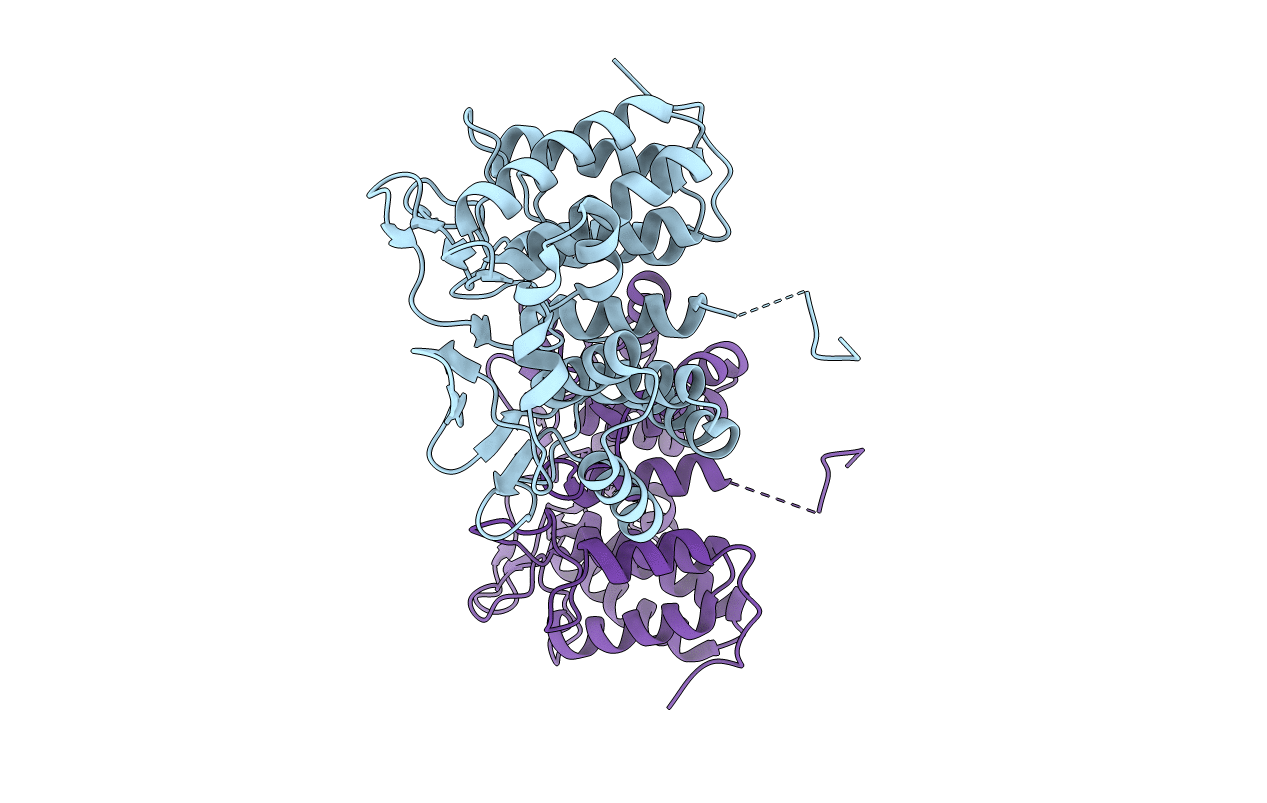
6R2M image
Deposition Date 2019-03-18
Release Date 2019-07-24
Last Version Date 2024-05-15
Entry Detail
PDB ID:
6R2M
Keywords:
Title:
Crystal structure of PssZ from Listeria monocytogenes
Biological Source:
Source Organism(s):
Expression System(s):
Method Details:
Experimental Method:
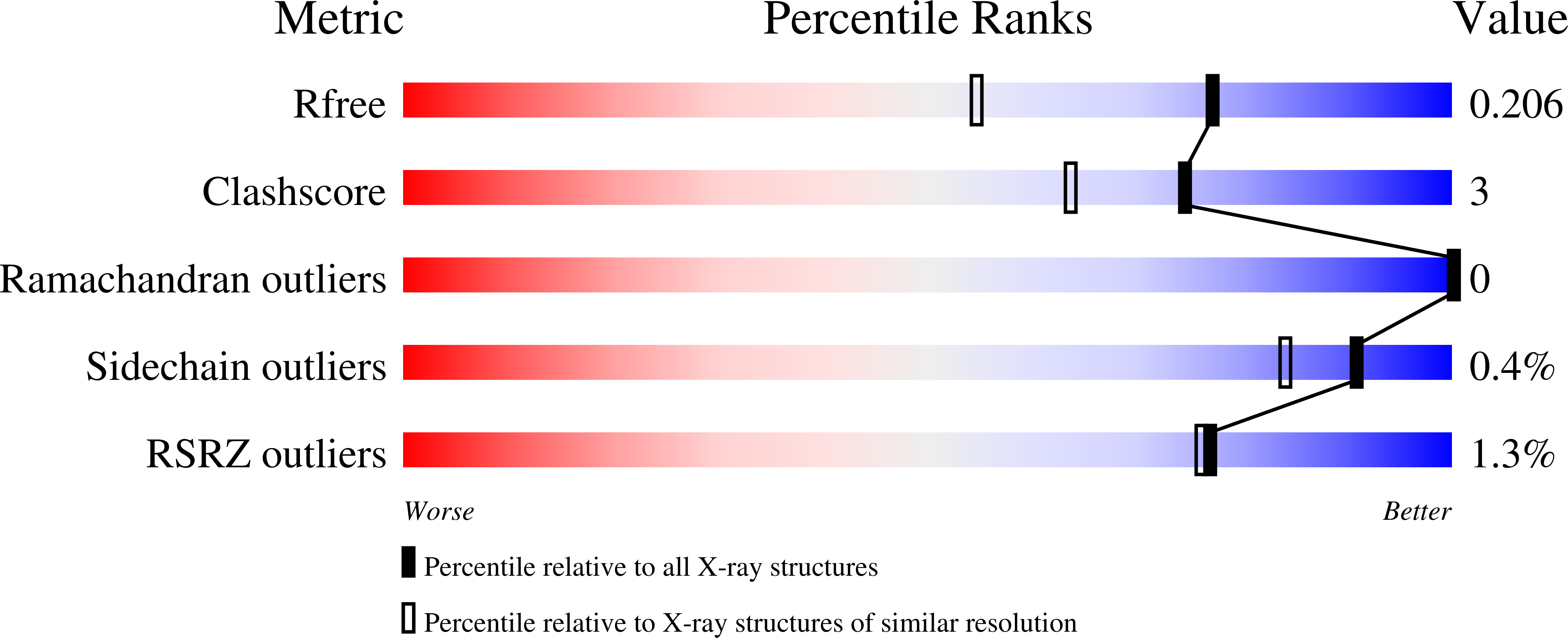
Resolution:
1.62 Å
R-Value Free:
0.19
R-Value Work:
0.16
R-Value Observed:
0.17
Space Group:
P 1 21 1
Macromolecular Entities
Structures with similar UniProt ID
Protein Blast
Polymer Type:polypeptide(L)
Molecule:Glycoside transferase
Chain IDs:A, B
Chain Length:326
Number of Molecules:2
Biological Source:Listeria monocytogenes
Primary Citation
Crystal structure of the glycoside hydrolase PssZ from Listeria monocytogenes.
Acta Crystallogr. Sect. F Struct. Biol. Cryst. Commun. 75 501 506 (2019)
PMID: 31282870 DOI: 10.1107/S2053230X19008100

Abstact

Biofilms are microbial communities that are embedded in the extracellular matrix. The exopolysaccharide (EPS) is a key component of the biofilm matrix that maintains the structure of the biofilm and protects the bacteria from antimicrobials. Microbial glycoside hydrolases have been exploited to disrupt biofilms by breaking down EPSs. PssZ has recently been identified as a glycoside hydrolase that can disperse aggregates of Listeria monocytogenes. In this study, the crystal structure of PssZ has been determined at 1.6 Å resolution. PssZ belongs to glycoside hydrolase family 8 and adopts a classical (α/α)6-barrel fold. This architecture forms a deep groove which may serve as the substrate-binding pocket. The conserved catalytic residues (Glu72, Trp110, Asn119, Phe167, Tyr183 and Asp232) are localized at the centre of the groove. This crystal structure will help to improve the understanding of the hydrolytic mechanism of PssZ and its application as a biofilm disrupter.

Legend

Protein

Chemical

Disease

Primary Citation of related structures
Feedback Form
Name
Email
Institute
Feedback