

5B7B image
Deposition Date 2016-06-06
Release Date 2016-07-06
Last Version Date 2024-10-23
Entry Detail
PDB ID:
5B7B
Keywords:
Title:
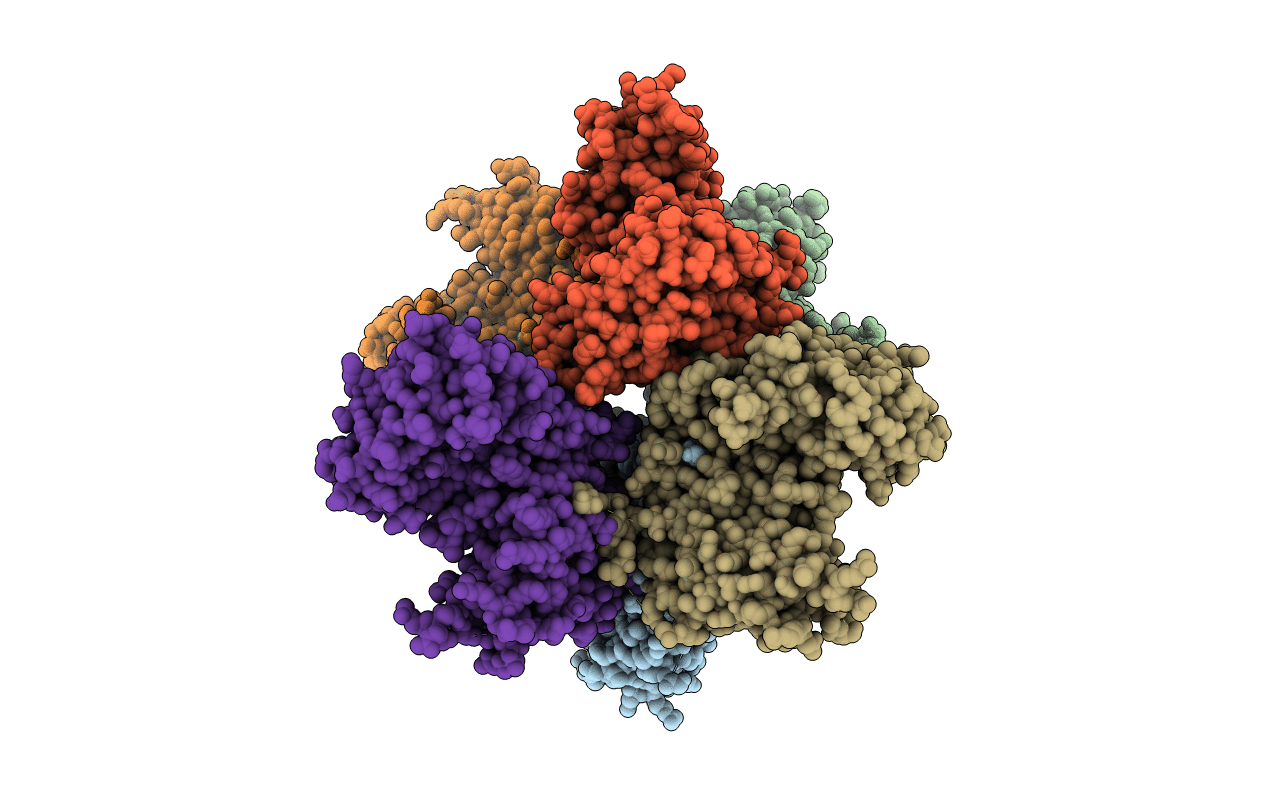
Crystal structure of Nucleoprotein-nucleozin complex
Biological Source:
Expression System(s):
Method Details:
Experimental Method:
Resolution:
3.00 Å
R-Value Free:
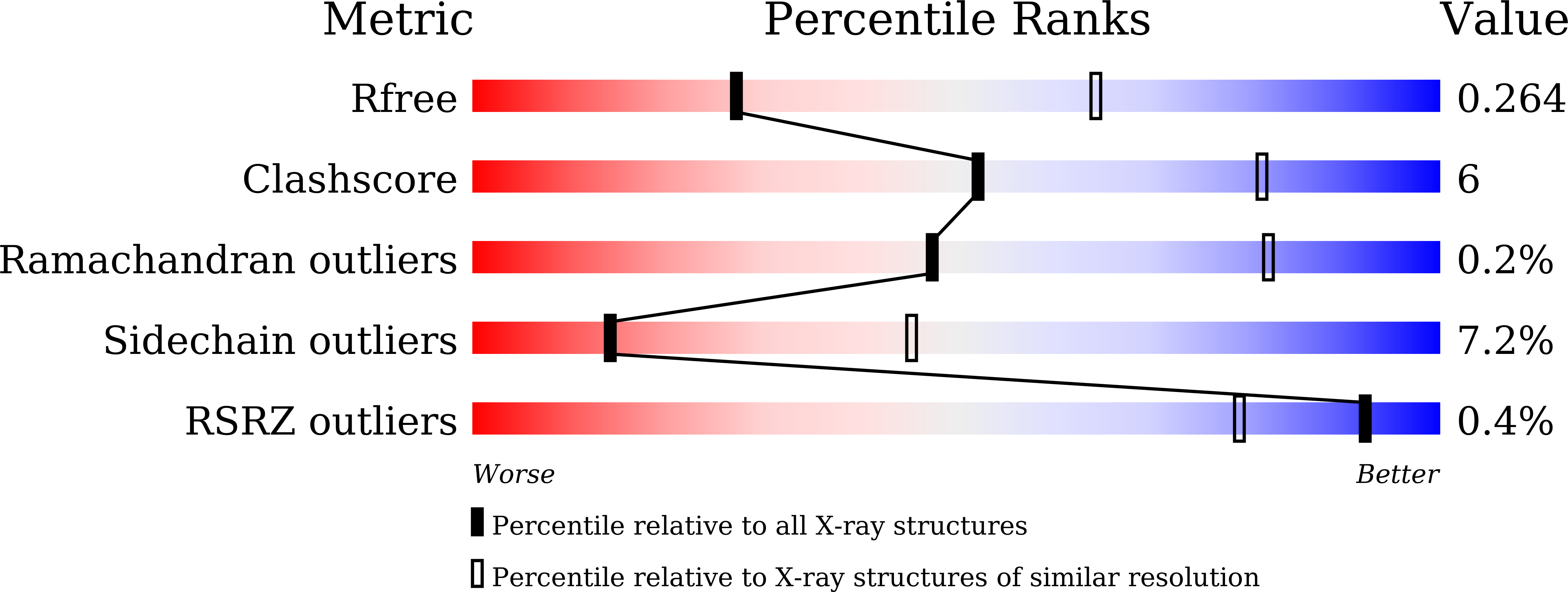
0.26
R-Value Work:
0.20
R-Value Observed:
0.20
Space Group:
C 1 2 1
Macromolecular Entities
Structures with similar UniProt ID
Protein Blast
Polymer Type:polypeptide(L)
Molecule:Nucleoprotein
Chain IDs:A, B, C, D, E, F
Chain Length:498
Number of Molecules:6
Biological Source:Influenza A virus (A/Wilson-Smith/1933(H1N1))
Ligand Molecules
Primary Citation
Structural Characterization of H1N1 Nucleoprotein-Nucleozin Binding Sites
Sci Rep 6 29684 29684 (2016)
PMID: 27404920 DOI: 10.1038/srep29684

Abstact

Influenza viruses are among the most common pathogens that threaten the health of humans and animals worldwide. Various anti-viral therapeutic agents are currently used for treatment and prophylaxis of influenza virus, but the targets of these drugs are easily mutated and result in resistance. Therefore, medications that have broad spectrum coverage are urgently needed to combat with the disease. Since nucleoprotein is regarded as a druggable target due to its conserved sequence and important functions during influenza virus life cycle, numerous studies are focused on this protein in attempts to develop broad-spectrum anti-influenza therapeutics. Recently, a novel small molecule compound, nucleozin, was found to induce large aggregates of nucleoprotein, which in turn caused cessation of virus replication. However, the aggregation-inducing mechanism of nucleozin has not been unveiled. Here we report the crystal structure of nucleoprotein-nucleozin complex at 3 Å resolution, which shows the binding sites of nucleozin at nucleoprotein for the first time. The complex structure reveals how nucleoprotein and nucleozin interact with each other and hence result in nucleoprotein aggregates. The structural information is envisaged to help accelerate the development of anti-influenza therapeutic agents.

Legend

Protein

Chemical

Disease

Primary Citation of related structures
Feedback Form
Name
Email
Institute
Feedback