

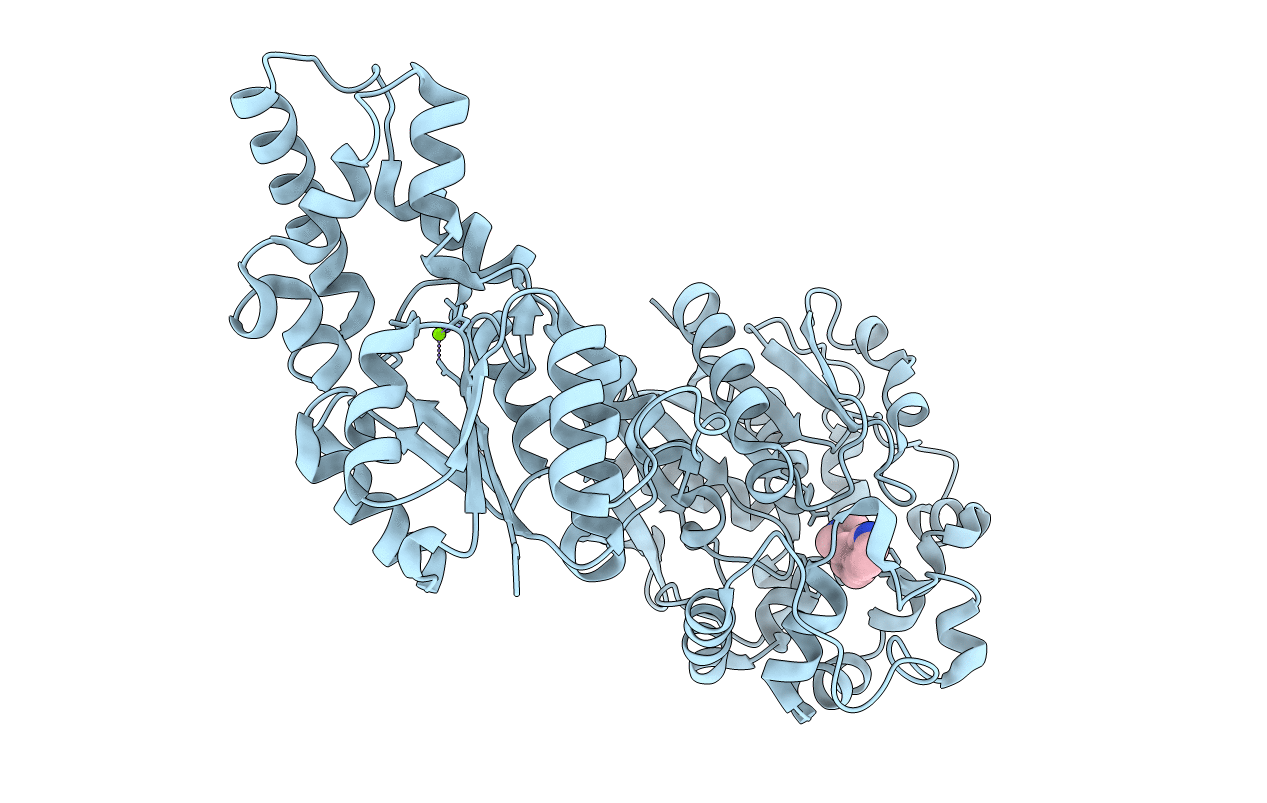
4y2p image
Deposition Date 2015-02-10
Release Date 2015-05-06
Last Version Date 2024-03-20
Entry Detail
PDB ID:
4Y2P
Title:
Structure of soluble epoxide hydrolase in complex with N-methyl-1-[3-(pyridin-3-yl)phenyl]methanamine
Biological Source:
Source Organism(s):
Homo sapiens (Taxon ID: 9606)
Expression System(s):
Method Details:
Experimental Method:
Resolution:
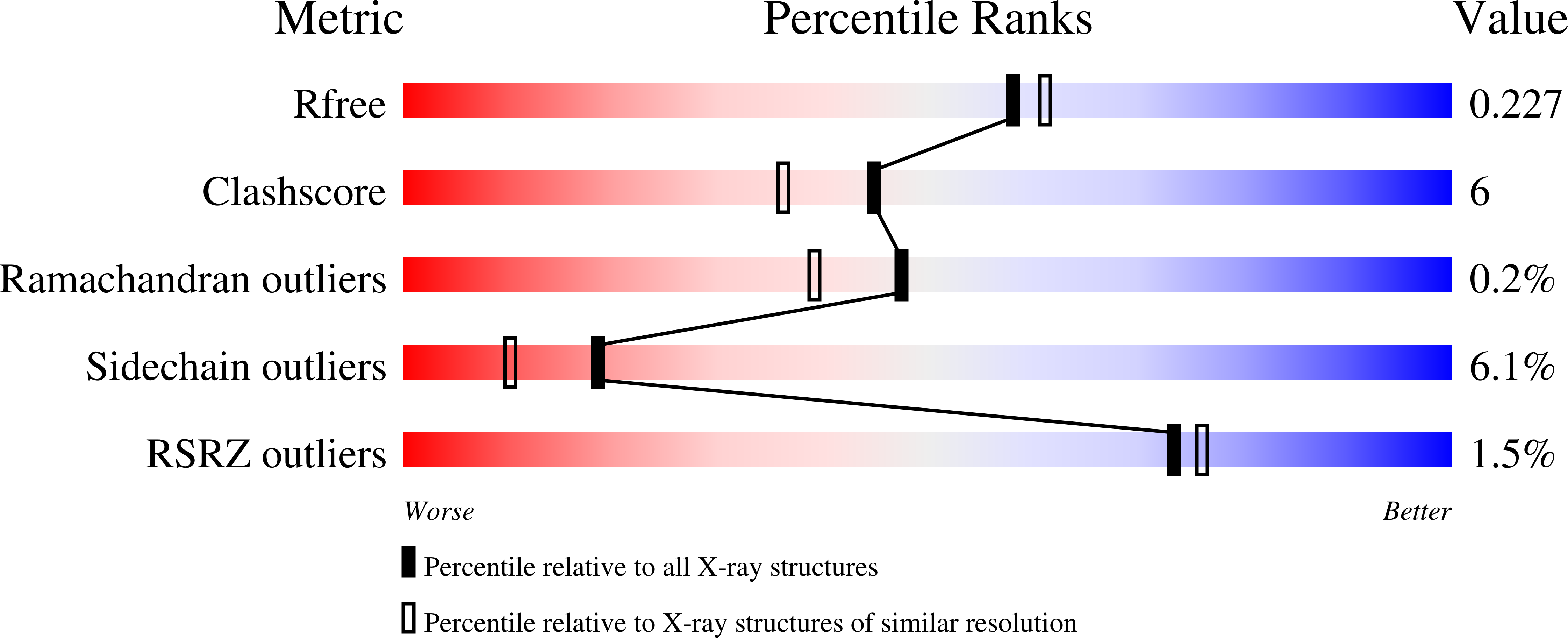
2.05 Å
R-Value Free:
0.22
R-Value Work:
0.19
R-Value Observed:
0.19
Space Group:
P 65 2 2
Macromolecular Entities
Structures with similar UniProt ID
Protein Blast
Polymer Type:polypeptide(L)
Molecule:Bifunctional epoxide hydrolas
Gene (Uniprot):EPHX2
Chain IDs:A
Chain Length:561
Number of Molecules:1
Biological Source:Homo sapiens
Primary Citation
Identification of N-ethylmethylamine as a novel scaffold for inhibitors of soluble epoxide hydrolase by crystallographic fragment screening
Bioorg. Med. Chem. 23 2310 2317 (2015)
PMID: 25862210 DOI: 10.1016/j.bmc.2015.03.083

Abstact

Soluble epoxide hydrolase (sEH) is a potential target for the treatment of inflammation and hypertension. X-ray crystallographic fragment screening was used to identify fragment hits and their binding modes. Eight fragment hits were identified via soaking of sEH crystals with fragment cocktails, and the co-crystal structures of these hits were determined via individual soaking. Based on the binding mode, N-ethylmethylamine was identified as a promising scaffold that forms hydrogen bonds with the catalytic residues of sEH, Asp335, Tyr383, and Tyr466. Compounds containing this scaffold were selected from an in-house chemical library and assayed. Although the starting fragment had a weak inhibitory activity (IC50: 800μM), we identified potent inhibitors including 2-({[2-(adamantan-1-yl)ethyl]amino}methyl)phenol exhibiting the highest inhibitory activity (IC50: 0.51μM). This corresponded to a more than 1500-fold increase in inhibitory activity compared to the starting fragment. Co-crystal structures of the hit compounds demonstrate that the binding of N-ethylmethylamine to catalytic residues is similar to that of the starting fragment. We therefore consider crystallographic fragment screening to be appropriate for the identification of weak but promising fragment hits.

Legend

Protein

Chemical

Disease

Primary Citation of related structures
Feedback Form
Name
Email
Institute
Feedback