

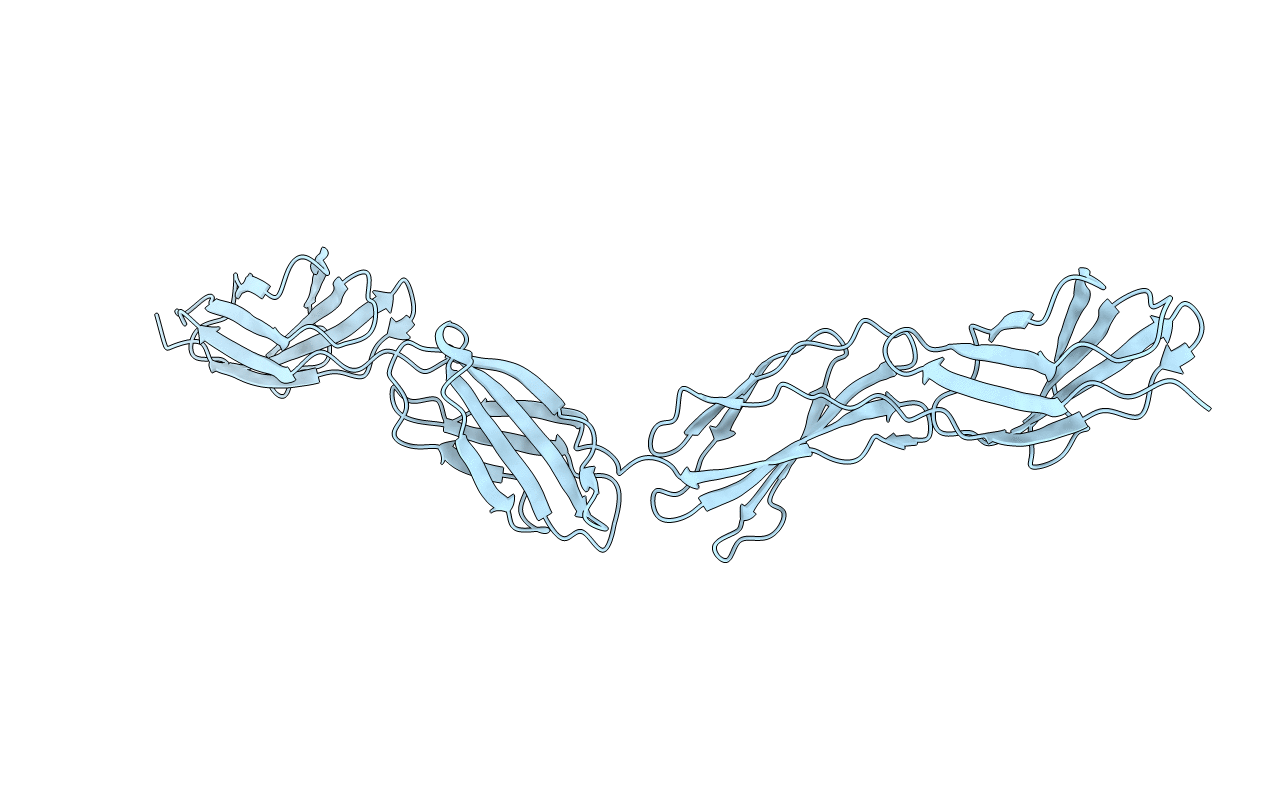
3T1W image
Deposition Date 2011-07-22
Release Date 2012-03-21
Last Version Date 2023-09-13
Entry Detail
PDB ID:
3T1W
Keywords:
Title:
Structure of the four-domain fragment Fn7B89 of oncofetal fibronectin
Biological Source:
Source Organism(s):
Homo sapiens (Taxon ID: 9606)
Expression System(s):
Method Details:
Experimental Method:
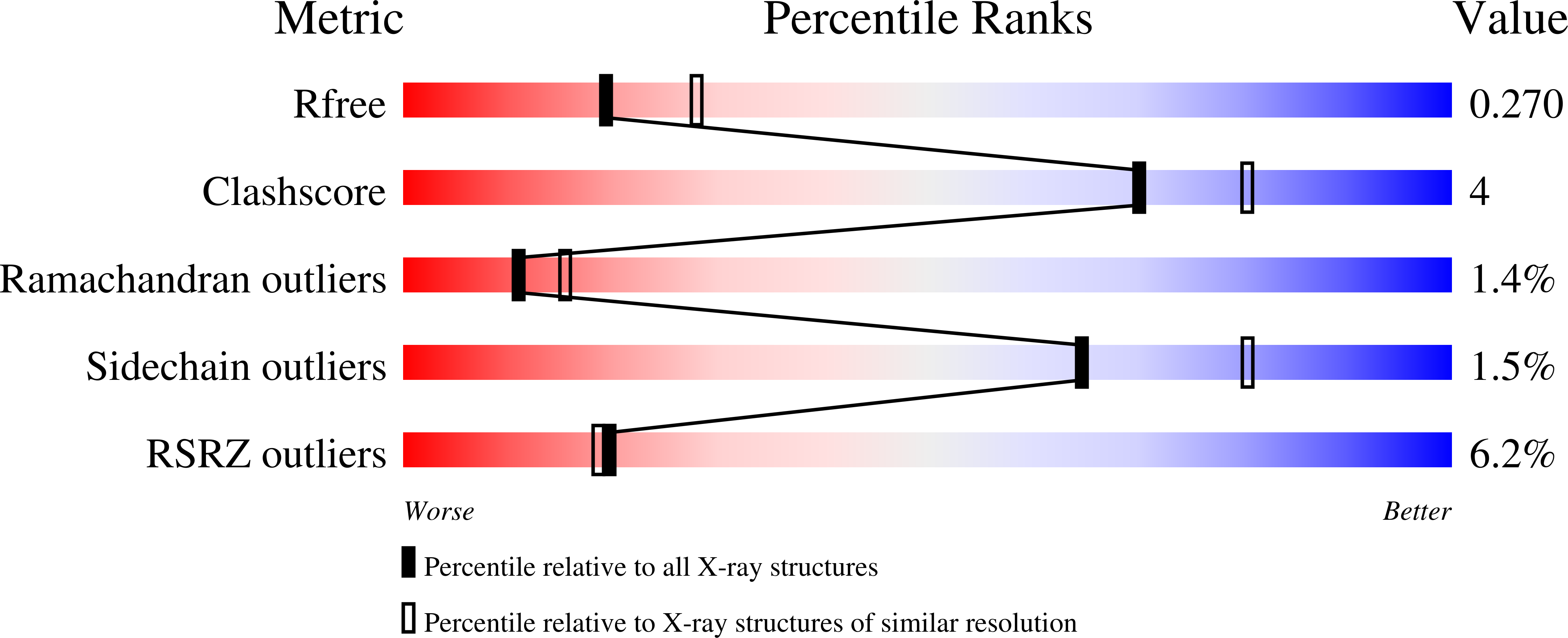
Resolution:
2.40 Å
R-Value Free:
0.27
R-Value Work:
0.22
R-Value Observed:
0.23
Space Group:
C 1 2 1
Macromolecular Entities
Structures with similar UniProt ID
Protein Blast
Polymer Type:polypeptide(L)
Molecule:four-domain fibronectin fragm
Chain IDs:A
Chain Length:375
Number of Molecules:1
Biological Source:Homo sapiens
Primary Citation
Extra-domain B in oncofetal fibronectin structurally promotes fibrillar head-to-tail dimerization of extracellular matrix protein.
J. Biol. Chem. 287 17578 17588 (2012)
PMID: 22442152 DOI: 10.1074/jbc.M111.303131

Abstact

The type III extra-domain B (ED-B) is specifically spliced into fibronectin (Fn) during embryogenesis and neoangiogenesis, including many cancers. The x-ray structure of the recombinant four-domain fragment Fn(III)7B89 reveals a tightly associated, extended head-to-tail dimer, which is stabilized via pair-wise shape and charge complementarity. A tendency toward ED-B-dependent dimer formation in solution was supported by size exclusion chromatography and analytical ultracentrifugation. When amending the model with the known three-dimensional structure of the Fn(III)10 domain, its RGD loop as well as the adhesion synergy region in Fn(III)9-10 become displayed on the same face of the dimer; this should allow simultaneous binding of at least two integrins and, thus, receptor clustering on the cell surface and intracellular signaling. Insertion of ED-B appears to stabilize overall head-to-tail dimerization of two separate Fn chains, which, together with alternating homodimer formation via disulfide bridges at the C-terminal Fn tail, should lead to the known macromolecular fibril formation.

Legend

Protein

Chemical

Disease

Primary Citation of related structures
Feedback Form
Name
Email
Institute
Feedback