

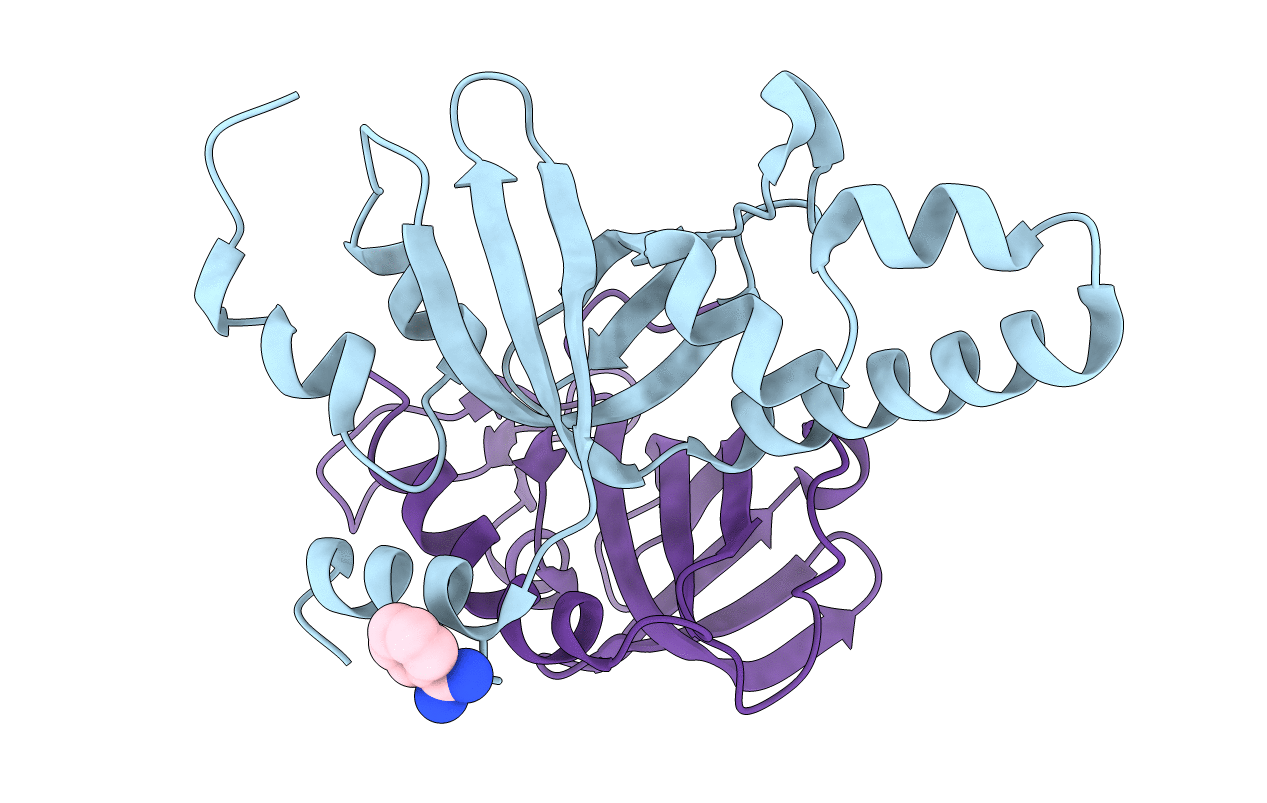
3MXN image
Deposition Date 2010-05-07
Release Date 2010-09-15
Last Version Date 2024-02-21
Entry Detail
PDB ID:
3MXN
Keywords:
Title:
Crystal structure of the RMI core complex
Biological Source:
Source Organism(s):
Homo sapiens (Taxon ID: 9606)
Expression System(s):
Method Details:
Experimental Method:
Resolution:
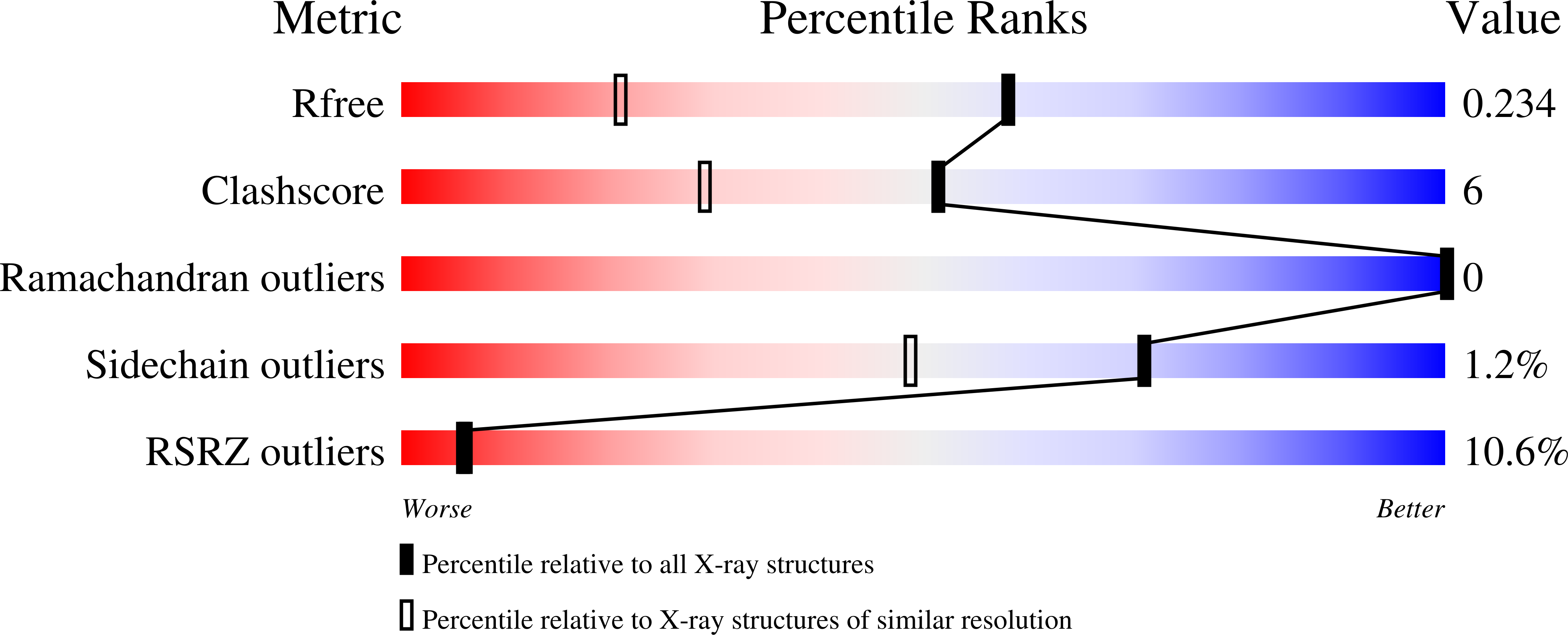
1.55 Å
R-Value Free:
0.23
R-Value Work:
0.19
R-Value Observed:
0.19
Space Group:
P 21 21 21
Macromolecular Entities
Structures with similar UniProt ID
Protein Blast
Polymer Type:polypeptide(L)
Molecule:RecQ-mediated genome instabil
Gene (Uniprot):RMI1
Chain IDs:A
Chain Length:157
Number of Molecules:1
Biological Source:Homo sapiens
Structures with similar UniProt ID
Protein Blast
Polymer Type:polypeptide(L)
Molecule:RecQ-mediated genome instabil
Gene (Uniprot):RMI2
Chain IDs:B
Chain Length:150
Number of Molecules:1
Biological Source:Homo sapiens
Ligand Molecules
Primary Citation
Structure and cellular roles of the RMI core complex from the bloom syndrome dissolvasome.
Structure 18 1149 1158 (2010)
PMID: 20826341 DOI: 10.1016/j.str.2010.06.009

Abstact

BLM, the protein product of the gene mutated in Bloom syndrome, is one of five human RecQ helicases. It functions to separate double Holliday junction DNA without genetic exchange as a component of the "dissolvasome," which also includes topoisomerase IIIα and the RMI (RecQ-mediated genome instability) subcomplex (RMI1 and RMI2). We describe the crystal structure of the RMI core complex, comprising RMI2 and the C-terminal OB domain of RMI1. The overall RMI core structure strongly resembles two-thirds of the trimerization core of the eukaryotic single-stranded DNA-binding protein, Replication Protein A. Immunoprecipitation experiments with RMI2 variants confirm key interactions that stabilize the RMI core interface. Disruption of this interface leads to a dramatic increase in cellular sister chromatid exchange events similar to that seen in BLM-deficient cells. The RMI core interface is therefore crucial for BLM dissolvasome assembly and may have additional cellular roles as a docking hub for other proteins.

Legend

Protein

Chemical

Disease

Primary Citation of related structures
Feedback Form
Name
Email
Institute
Feedback