

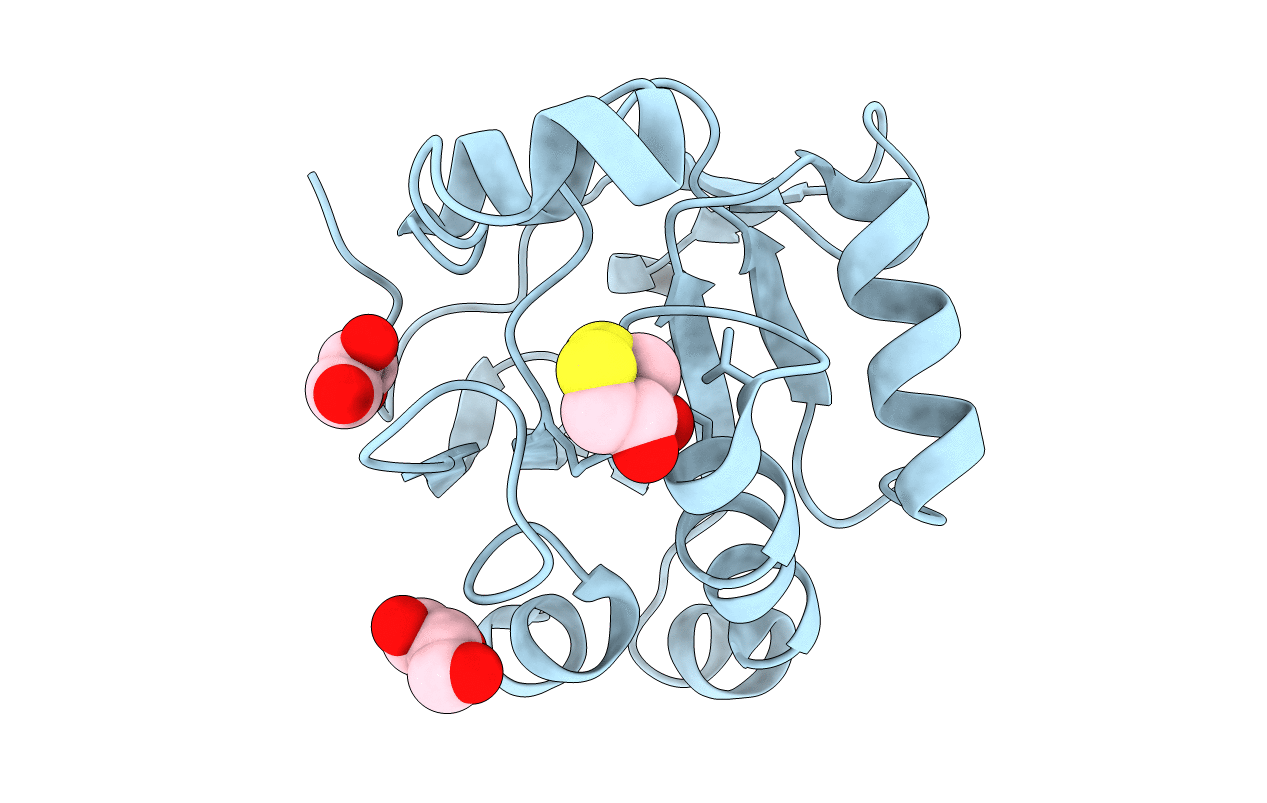
3MNG image
Deposition Date 2010-04-21
Release Date 2010-08-04
Last Version Date 2023-09-06
Entry Detail
PDB ID:
3MNG
Keywords:
Title:
wild type human PrxV with DTT bound as a competitive inhibitor
Biological Source:
Source Organism(s):
Homo sapiens (Taxon ID: 9606)
Expression System(s):
Method Details:
Experimental Method:
Resolution:
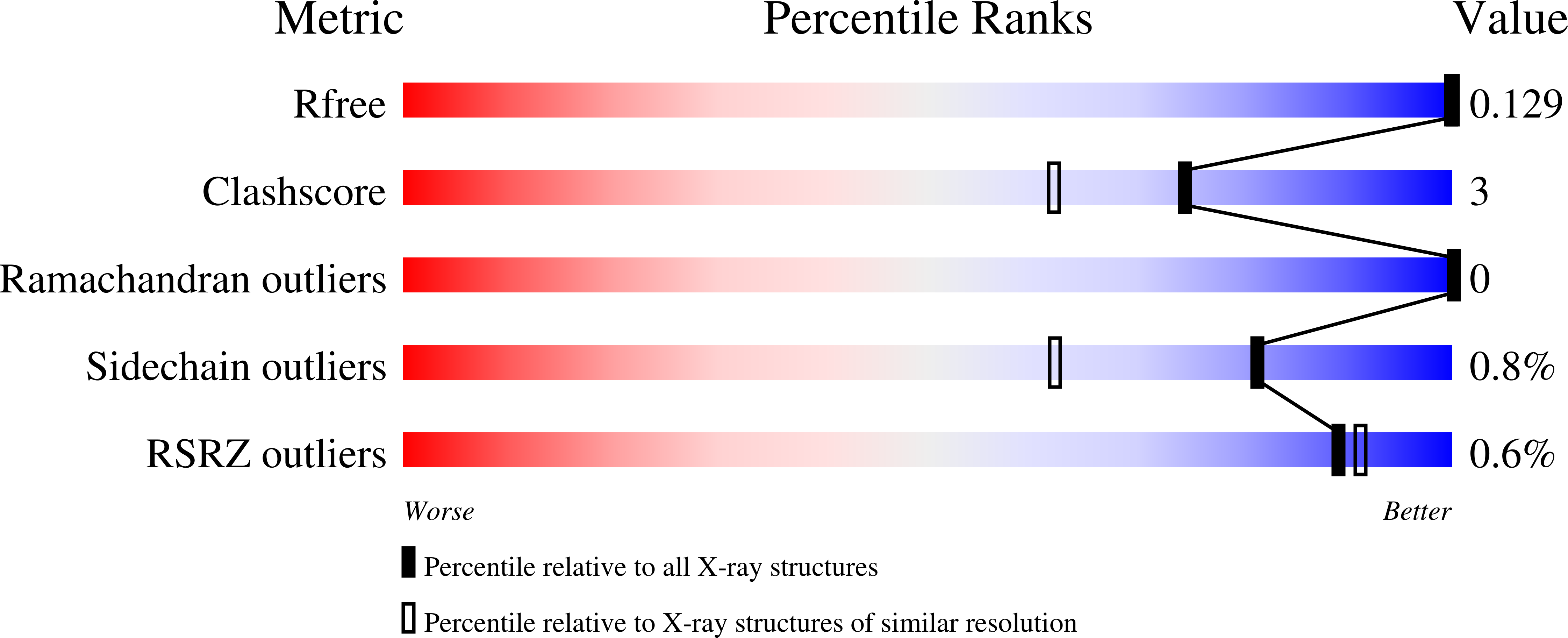
1.45 Å
R-Value Free:
0.13
R-Value Work:
0.11
R-Value Observed:
0.11
Space Group:
P 41 21 2
Macromolecular Entities
Structures with similar UniProt ID
Protein Blast
Polymer Type:polypeptide(L)
Molecule:Peroxiredoxin-5, mitochondria
Gene (Uniprot):PRDX5
Chain IDs:A
Chain Length:173
Number of Molecules:1
Biological Source:Homo sapiens
Primary Citation
Structural Evidence that Peroxiredoxin Catalytic Power Is Based on Transition-State Stabilization.
J. Mol. Biol. 402 194 209 (2010)
PMID: 20643143 DOI: 10.1016/j.jmb.2010.07.022

Abstact

Peroxiredoxins (Prxs) are important peroxidases associated with both antioxidant protection and redox signaling. They use a conserved Cys residue to reduce peroxide substrates. The Prxs have a remarkably high catalytic efficiency that makes them a dominant player in cell-wide peroxide reduction, but the origins of their high activity have been mysterious. We present here a novel structure of human PrxV at 1.45 A resolution that has a dithiothreitol bound in the active site with its diol moiety mimicking the two oxygens of a peroxide substrate. This suggests diols and similar di-oxygen compounds as a novel class of competitive inhibitors for the Prxs. Common features of this and other structures containing peroxide, peroxide-mimicking ligands, or peroxide-mimicking water molecules reveal hydrogen bonding and steric factors that promote its high reactivity by creating an oxygen track along which the peroxide oxygens move as the reaction proceeds. Key insights include how the active-site microenvironment activates both the peroxidatic cysteine side chain and the peroxide substrate and how it is exquisitely well suited to stabilize the transition state of the in-line S(N)2 substitution reaction that is peroxidation.

Legend

Protein

Chemical

Disease

Primary Citation of related structures
Feedback Form
Name
Email
Institute
Feedback