

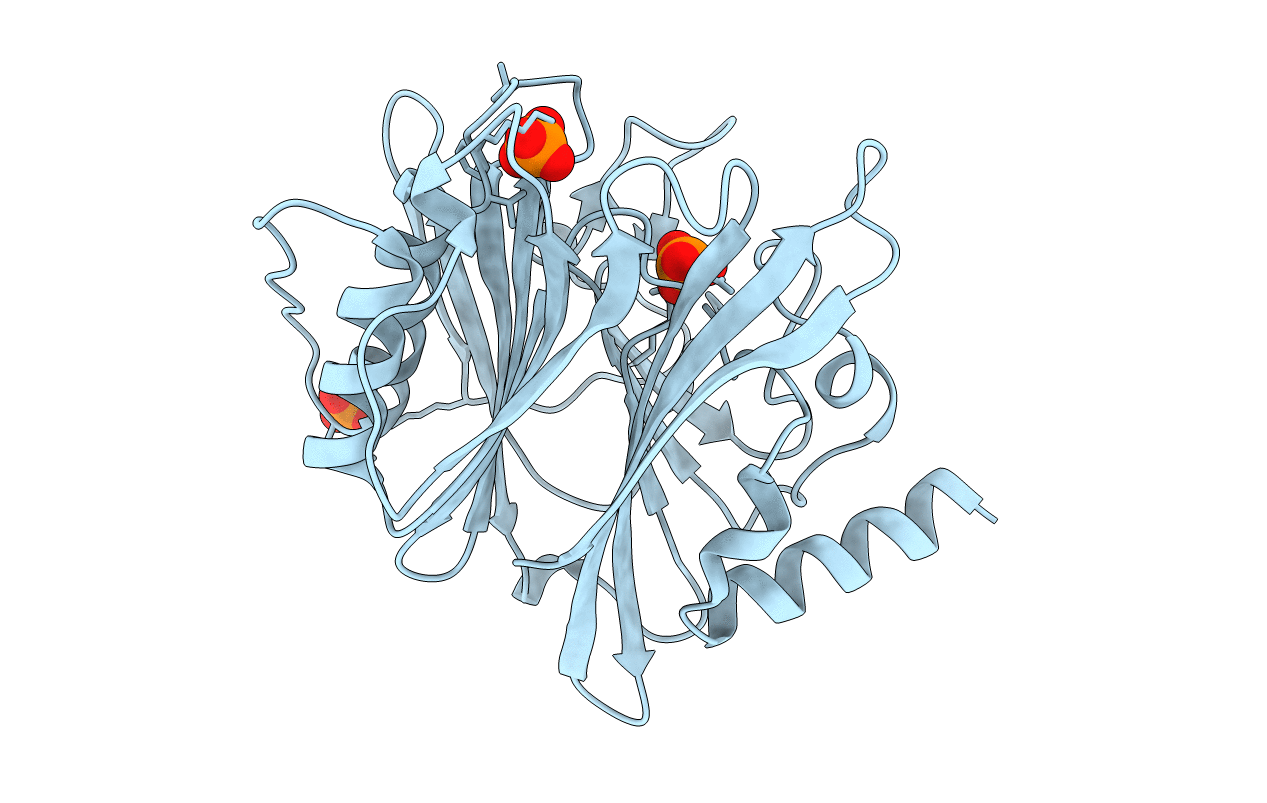
1HQ0 image
Deposition Date 2000-12-13
Release Date 2001-07-04
Last Version Date 2024-02-07
Entry Detail
PDB ID:
1HQ0
Keywords:
Title:
CRYSTAL STRUCTURE OF THE CATALYTIC DOMAIN OF E.COLI CYTOTOXIC NECROTIZING FACTOR TYPE 1
Biological Source:
Source Organism(s):
Escherichia coli (Taxon ID: 562)
Expression System(s):
Method Details:
Experimental Method:
Resolution:
1.83 Å
R-Value Free:
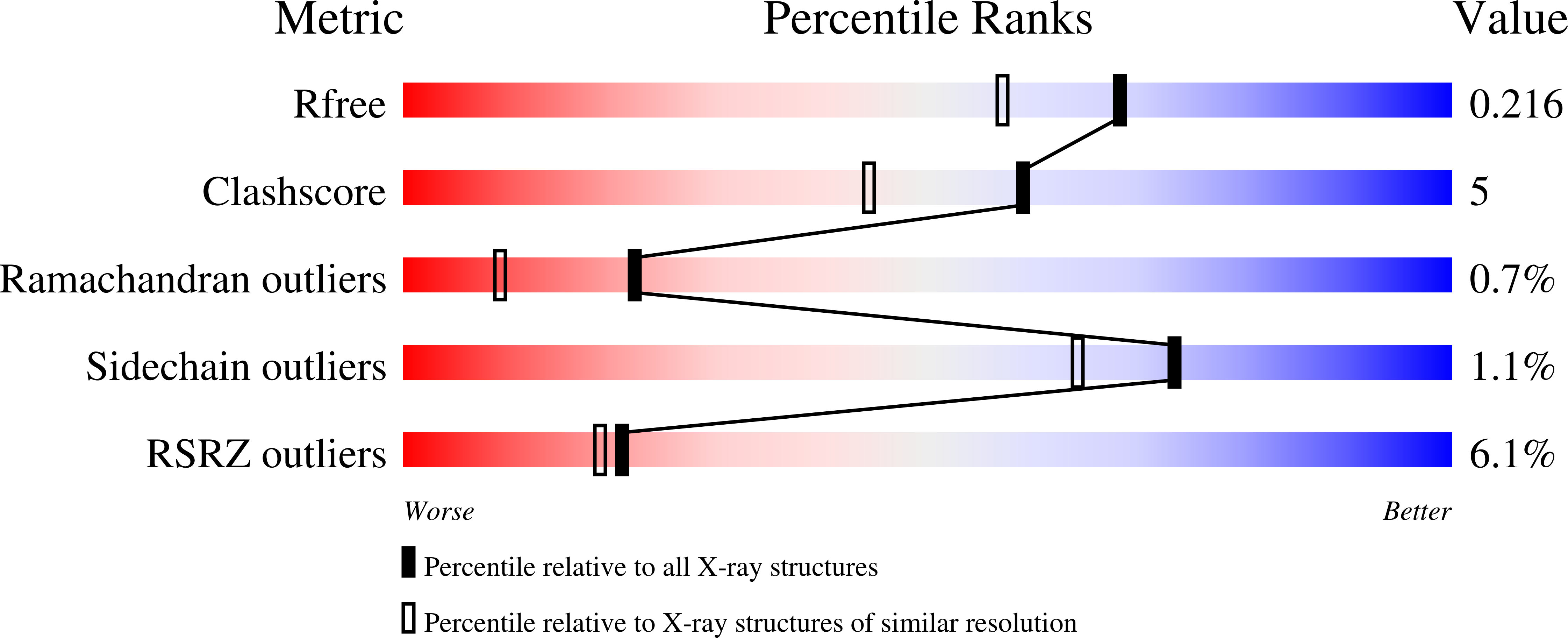
0.21
R-Value Work:
0.19
R-Value Observed:
0.19
Space Group:
P 65
Macromolecular Entities
Structures with similar UniProt ID
Protein Blast
Polymer Type:polypeptide(L)
Molecule:CYTOTOXIC NECROTIZING FACTOR
Gene (Uniprot):cnf1
Mutagens:L794P
Chain IDs:A
Chain Length:295
Number of Molecules:1
Biological Source:Escherichia coli
Ligand Molecules
Primary Citation
Structure of the Rho-activating domain of Escherichia coli cytotoxic necrotizing factor 1.
Nat. Struct. Biol. 8 584 588 (2001)
PMID: 11427886 DOI: 10.1038/89610

Abstact

Certain uropathogenic and neonatal meningitis-causing strains of Escherichia coli express a 114 kDa protein toxin called cytotoxic necrotizing factor 1 (CNF1). The toxin causes alteration of the host cell actin cytoskeleton and promotes bacterial invasion of blood-brain barrier endothelial cells. CNF1 belongs to a unique group of large cytotoxins that cause constitutive activation of Rho guanosine triphosphatases (GTPases), which are key regulators of the actin cytoskeleton. This group also includes E. coli cytotoxic necrotizing factor 2 (CNF2, 114 kDa) and dermonecrotic toxins (DNT, 159 kDa) of Bordetella spp. with related sequences occurring in Yersinia spp. Here we show that the catalytic region of CNF1 exhibits a novel protein fold as determined by its 1.83 A resolution crystal structure. The structure reveals that CNF1 has a Cys-His-main chain oxygen catalytic triad reminiscent of enzymes belonging to the catalytic triad superfamily. The position of the catalytic Cys residue at the base of a deep pocket restricts access to potential substrates and helps explain the high specificity of this and related toxins.

Legend

Protein

Chemical

Disease

Primary Citation of related structures
Feedback Form
Name
Email
Institute
Feedback