

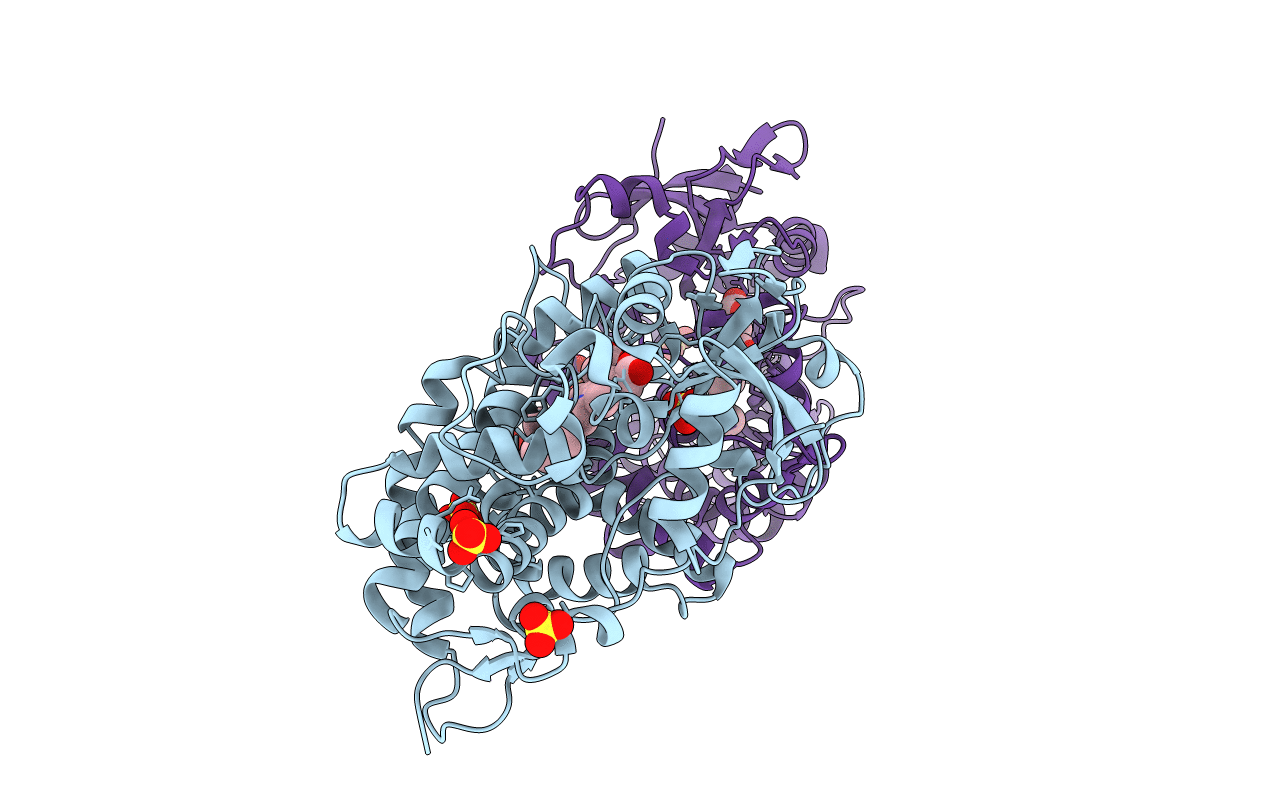
1GWI image
Deposition Date 2002-03-15
Release Date 2003-01-29
Last Version Date 2024-05-08
Entry Detail
PDB ID:
1GWI
Keywords:
Title:
The 1.92 A structure of Streptomyces coelicolor A3(2) CYP154C1: A new monooxygenase that functionalizes macrolide ring systems
Biological Source:
Source Organism(s):
Expression System(s):
Method Details:
Experimental Method:
Resolution:
1.92 Å
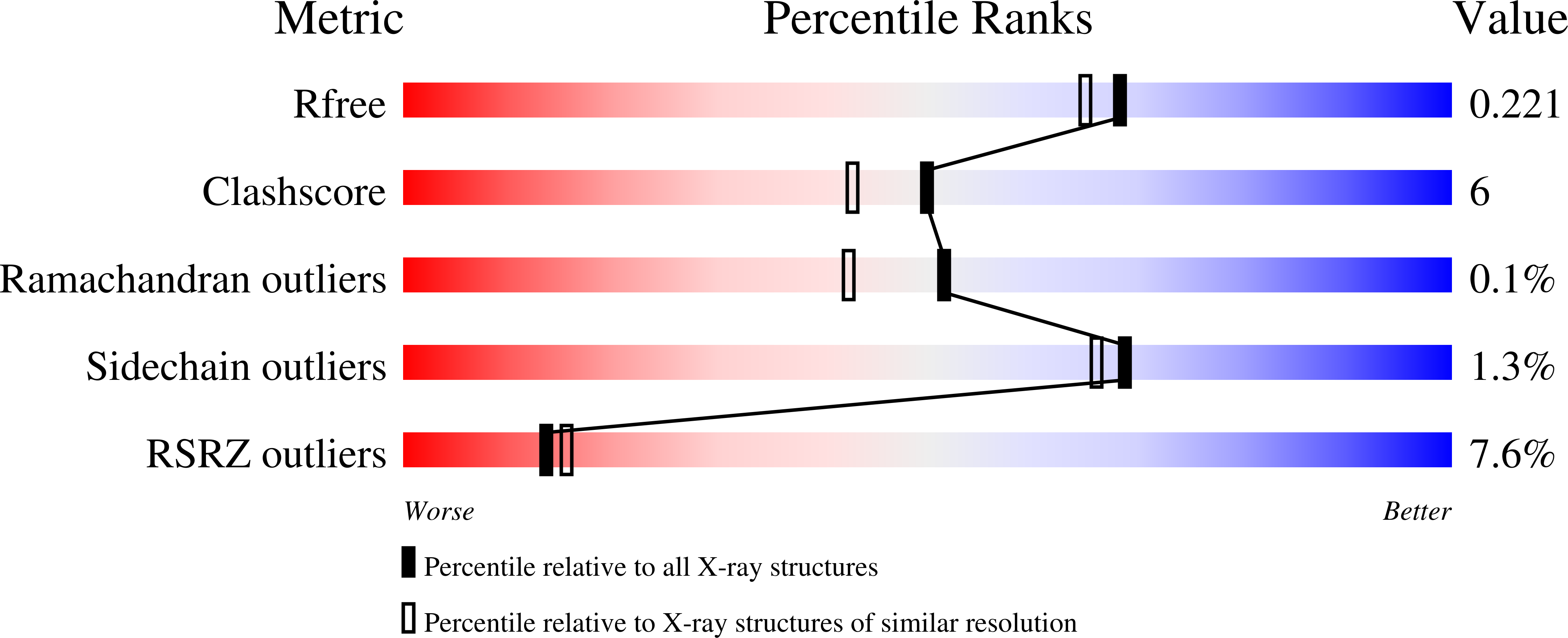
R-Value Free:
0.22
R-Value Work:
0.20
R-Value Observed:
0.20
Space Group:
P 21 21 21
Macromolecular Entities
Structures with similar UniProt ID
Protein Blast
Polymer Type:polypeptide(L)
Molecule:CYTOCHROME P450 154C1
Gene (Uniprot):SC6D11.13c
Chain IDs:A, B
Chain Length:411
Number of Molecules:2
Biological Source:STREPTOMYCES COELICOLOR
Primary Citation
The 1.92 A Structure of Streptomyces Coelicolor A3(2) Cyp154C1: A New Monooxygenase that Functionalizes Macrolide Ring Systems
J. Biol. Chem. 278 12214 ? (2003)
PMID: 12519772 DOI: 10.1074/JBC.M212210200

Abstact

Evolutionary links between cytochrome P450 monooxygenases, a superfamily of extraordinarily divergent heme-thiolate proteins catalyzing a wide array of NADPH/NADH- and O(2)-dependent reactions, are becoming better understood because of availability of an increasing number of fully sequenced genomes. Among other reactions, P450s catalyze the site-specific oxidation of the precursors to macrolide antibiotics in the genus Streptomyces introducing regiochemical diversity into the macrolide ring system, thereby significantly increasing antibiotic activity. Developing effective uses for Streptomyces enzymes in biosynthetic processes and bioremediation requires identification and engineering of additional monooxygenases with activities toward a diverse array of small molecules. To elucidate the molecular basis for substrate specificity of oxidative enzymes toward macrolide antibiotics, the x-ray structure of CYP154C1 from Streptomyces coelicolor A3(2) was determined (Protein Data Bank code ). Relocation of certain common P450 secondary structure elements, along with a novel structural feature involving an additional beta-strand transforming the five-stranded beta-sheet into a six-stranded variant, creates an open cleft-shaped substrate-binding site between the two P450 domains. High sequence similarity to macrolide monooxygenases from other microbial species translates into catalytic activity of CYP154C1 toward both 12- and 14-membered ring macrolactones in vitro.

Legend

Protein

Chemical

Disease

Primary Citation of related structures
Feedback Form
Name
Email
Institute
Feedback