

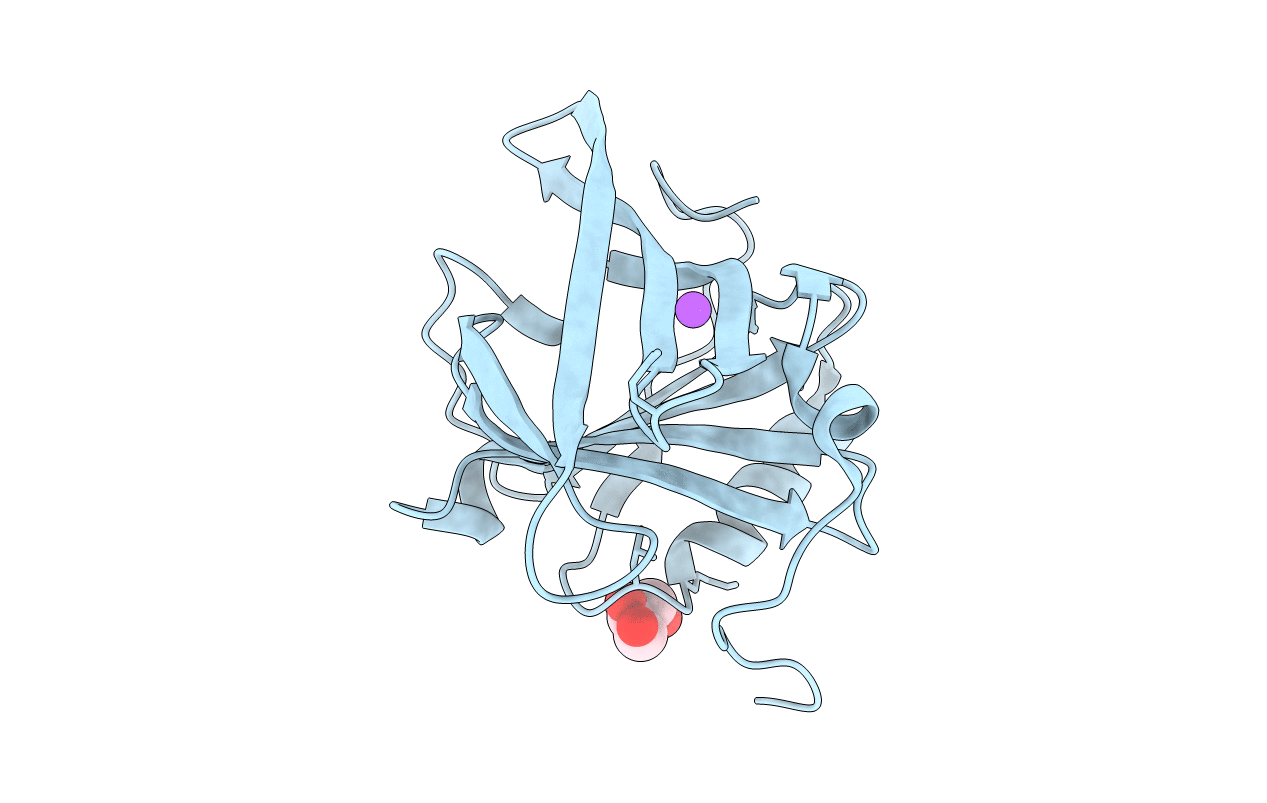
1EXS image
Deposition Date 2000-05-04
Release Date 2000-11-15
Last Version Date 2024-11-06
Entry Detail
PDB ID:
1EXS
Title:
STRUCTURE OF PORCINE BETA-LACTOGLOBULIN
Biological Source:
Source Organism(s):
Sus scrofa (Taxon ID: 9823)
Method Details:
Experimental Method:
Resolution:
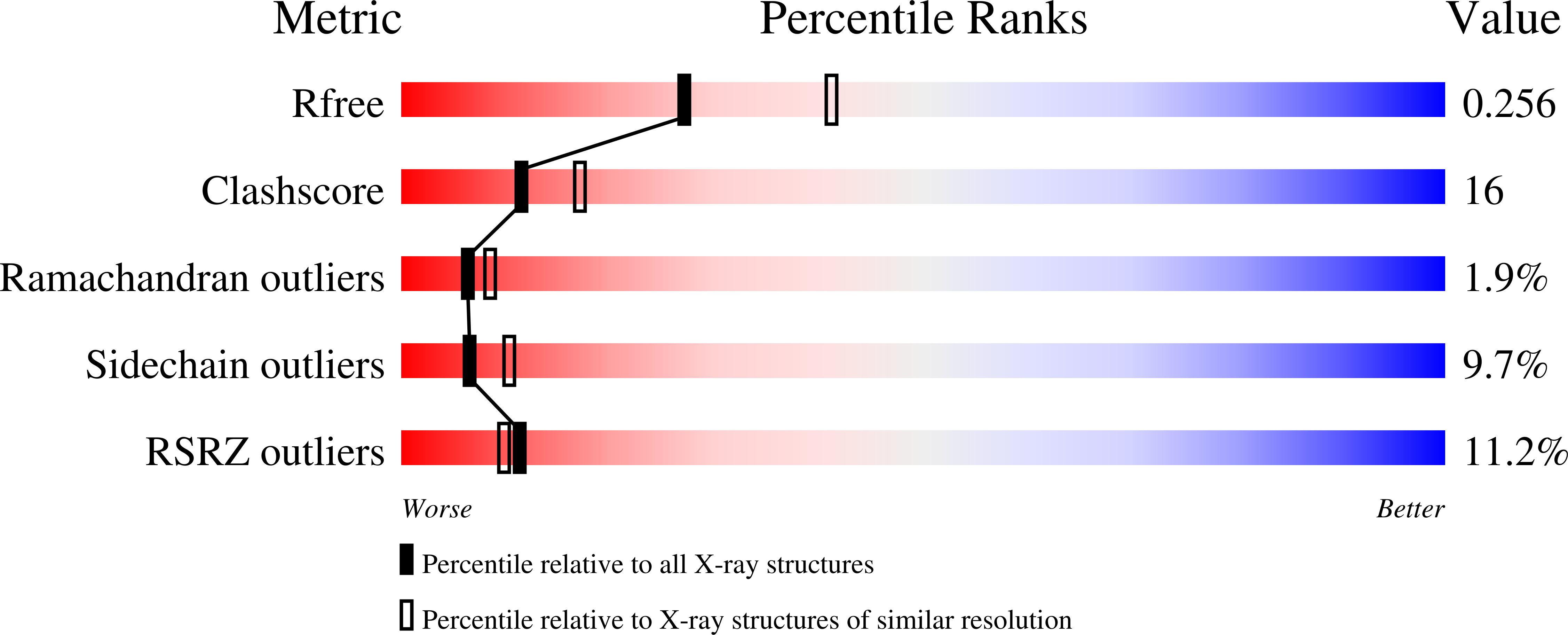
2.39 Å
R-Value Free:
0.28
R-Value Work:
0.21
Space Group:
P 32 2 1
Macromolecular Entities
Structures with similar UniProt ID
Protein Blast
Polymer Type:polypeptide(L)
Molecule:BETA-LACTOGLOBULIN
Chain IDs:A
Chain Length:160
Number of Molecules:1
Biological Source:Sus scrofa
Primary Citation
A novel pH-dependent dimerization motif in beta-lactoglobulin from pig (Sus scrofa).
Acta Crystallogr. D Biol. Crystallogr. 58 480 486 (2002)
PMID: 11856834 DOI: 10.1107/S0907444902000616

Abstact

beta-Lactoglobulin (BLG) is a lipocalin and is the major protein in the whey of the milk of cows and other ruminants, but not in all mammalian species. The biological function of BLG is not clear, but a potential role in carrying fatty acids through the digestive tract has been proposed. The capability of BLG to aggregate and form gels is often used to thicken foodstuffs. The structure of the porcine form is sufficiently different from other known BLG structures that SIRAS phases had to be measured in order to solve the crystal structure to 2.4 A resolution. The r.m.s. deviation of C(alpha) atoms is 2.8 A between porcine and bovine BLG. Nevertheless, the typical lipocalin fold is conserved. Compared with bovine BLG, the tilted alpha-helix alters the arrangement of surface residues of the porcine form, completely changing the dimerization behaviour. Through a unique pH-dependent domain-swapping mechanism involving the first ten residues, a novel dimer interface is formed at the N-terminus of porcine BLG. The existence of this novel dimer at low pH is supported by gel-filtration experiments. These results provide a rationale for the difference in physicochemical behaviour between bovine and porcine BLG and point the way towards engineering such dimerization motifs into other members of the lipocalin family.

Legend

Protein

Chemical

Disease

Primary Citation of related structures
Feedback Form
Name
Email
Institute
Feedback