

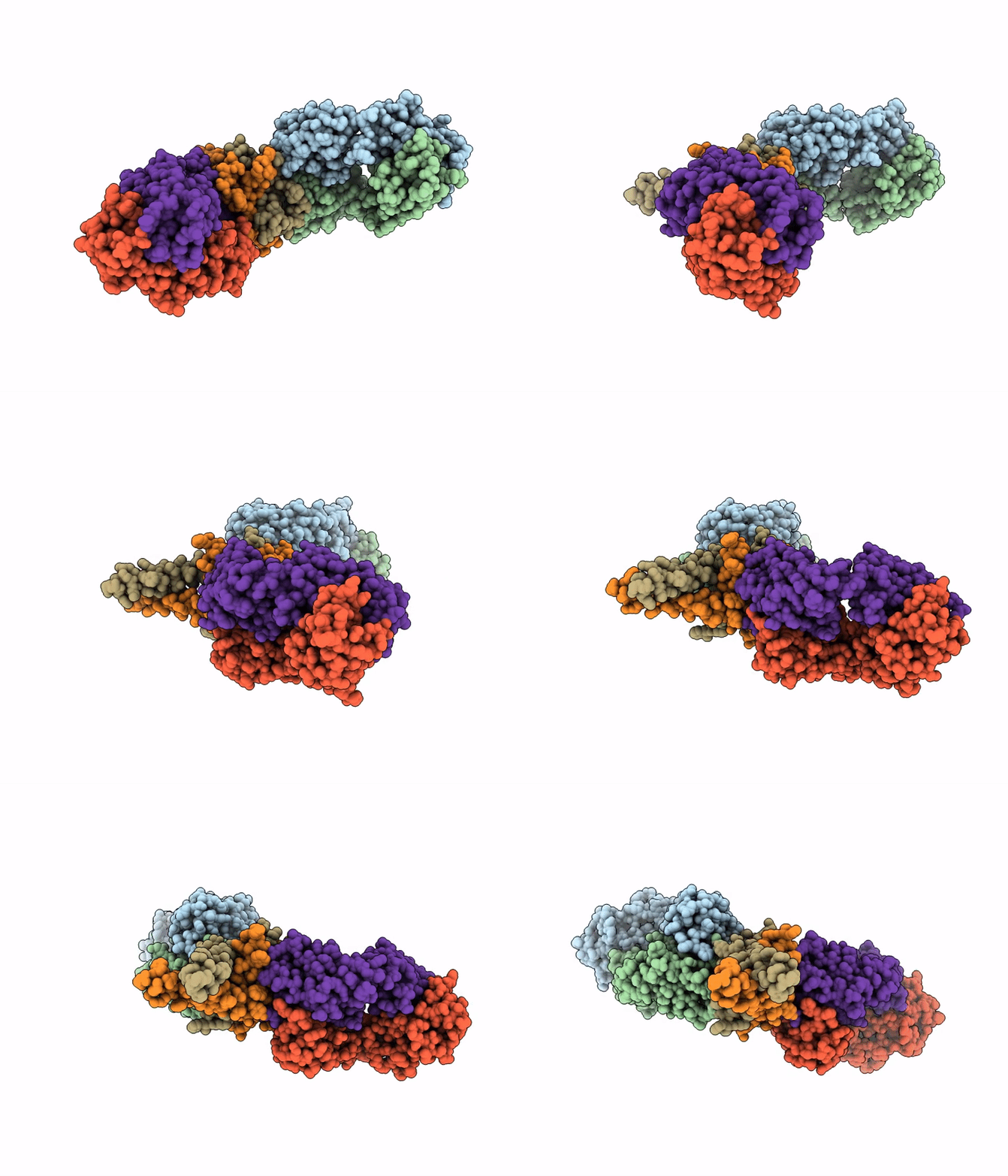
9UGO image
Deposition Date 2025-04-13
Release Date 2026-02-18
Last Version Date 2026-02-18
Entry Detail
PDB ID:
9UGO
Title:
Cryo-EM structure of the HBsAg dimer and Complex with Fab
Biological Source:
Source Organism(s):
Method Details:
Experimental Method:
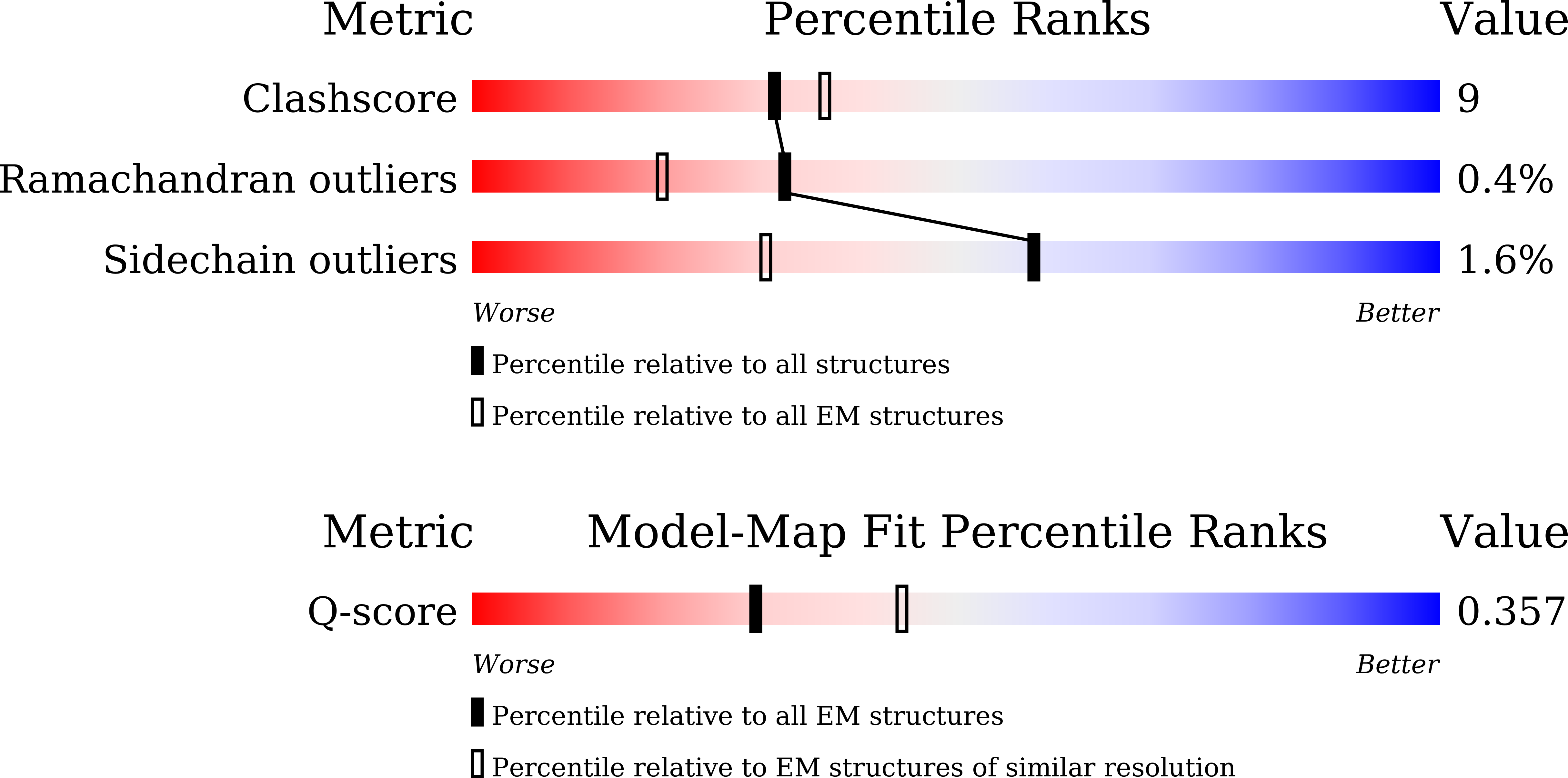
Resolution:
4.00 Å
Aggregation State:
PARTICLE
Reconstruction Method:
SINGLE PARTICLE
Macromolecular Entities
Polymer Type:polypeptide(L)
Molecule:Fab light chain
Chain IDs:A, E (auth: D)
Chain Length:215
Number of Molecules:2
Biological Source:Homo sapiens
Polymer Type:polypeptide(L)
Molecule:Fab heavy chain
Chain IDs:B, F
Chain Length:229
Number of Molecules:2
Biological Source:Homo sapiens
Polymer Type:polypeptide(L)
Molecule:Middle S protein
Chain IDs:C, D (auth: E)
Chain Length:98
Number of Molecules:2
Biological Source:hepatitis B virus genotype A
Ligand Molecules
Primary Citation
Characterisation of plasmablast-derived HBsAg-specific antibody and its structural basis for binding to native HBsAg dimer.
Gut ? ? ? (2026)
PMID: 41663152 DOI: 10.1136/gutjnl-2025-336641

Abstact

BACKGROUND Plasmablast-derived HBV surface antigen (HBsAg)-specific monoclonal antibody (mAb) and structural basis for binding to native HBsAg are poorly known. OBJECTIVE We aimed to identify plasmablast-derived HBsAg-specific mAbs, evaluate their antiviral activities and resolve their structure for binding to native HBsAg. DESIGN A previously vaccinated volunteer was enrolled in this study, who was boosted with a dose of recombinant hepatitis B vaccine and donated the blood sample. Activated plasmablasts were sorted from fresh peripheral blood mononuclear cells and mAbs were expressed. Their gene features, cross-genotypic binding activities and antiviral functions in vitro and in vivo were comprehensively analysed. The cryo-electron microscopy (cryo-EM) was used to determine the structure of representative mAb bound to the native HBsAg. RESULTS In this study, we cloned a series of HBsAg-specific mAbs directly from clonally expanded plasmablasts from a vaccinated individual. Most of the mAbs displayed cross-reactivities of binding to different genotype HBsAg proteins and antiviral functions such as neutralisation and antibody-dependent cellular phagocytosis. These human anti-HBsAg mAbs, especially SY-4-class and SY-23-class, could be good candidates for antibody drugs. The cryo-EM structure of SY-23 bound to the dimeric HBsAg was determined, revealing its binding mechanism and unprecedented structural detail of the major antigenic loop (AGL) of HBsAg. CONCLUSION Overall, our work has uncovered the diverse gene features and varied anti-HBV activities of plasmablast-derived mAbs, providing a series of antibody drug candidates and the long-sought-after atomic model of AGL has paved the way for a wholistic characterisation of the AGL's dynamic conformation during HBV infection and immune response.

Legend

Protein

Chemical

Disease

Primary Citation of related structures
Feedback Form
Name
Email
Institute
Feedback