

9EJW image
Deposition Date 2024-11-29
Release Date 2025-11-26
Last Version Date 2026-04-01
Entry Detail
PDB ID:
9EJW
Keywords:
Title:
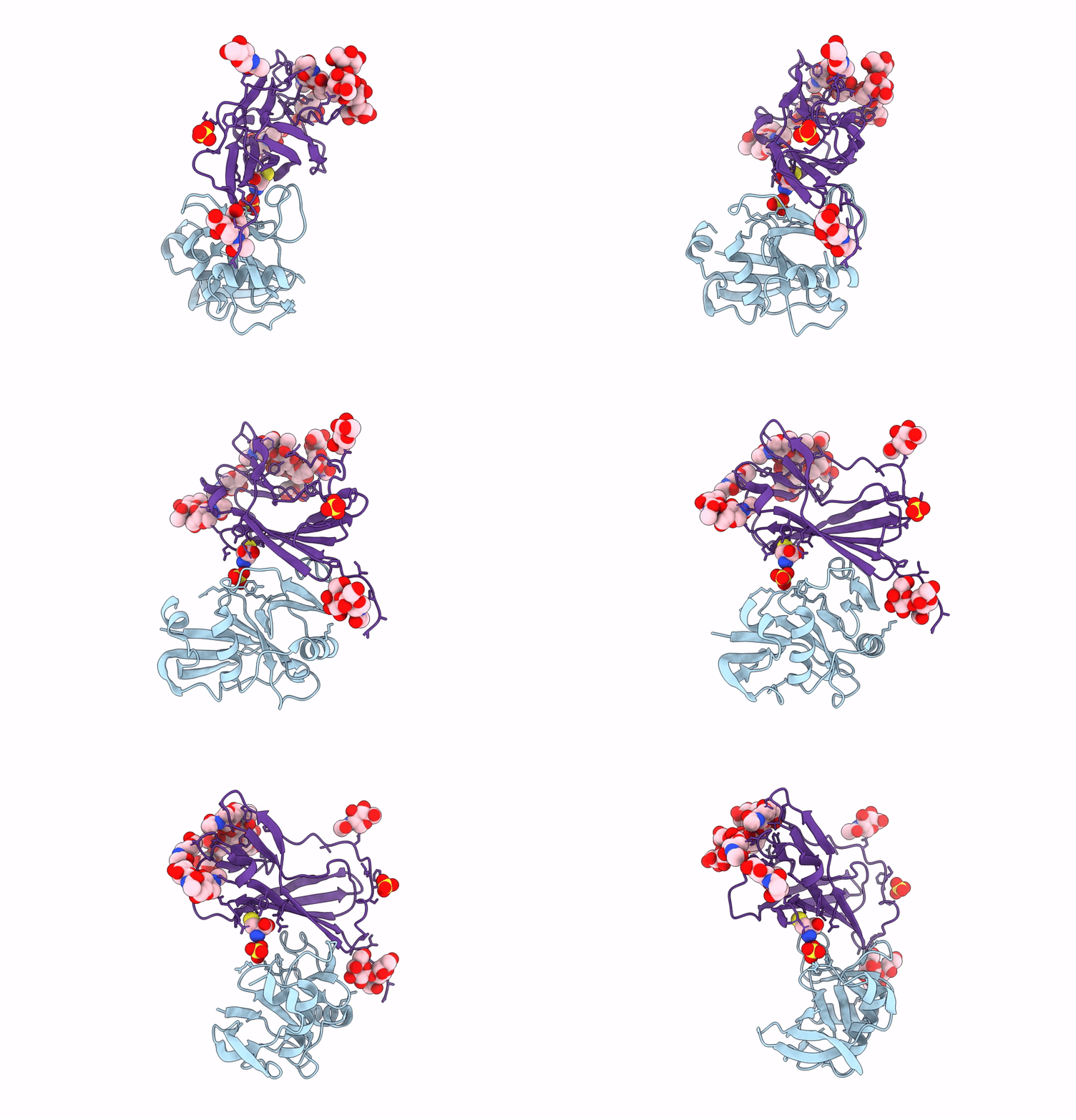
MCMV immunoevasin m11 binding murine CD44
Biological Source:
Source Organism(s):
Expression System(s):
Method Details:
Experimental Method:
Resolution:
1.40 Å
R-Value Free:
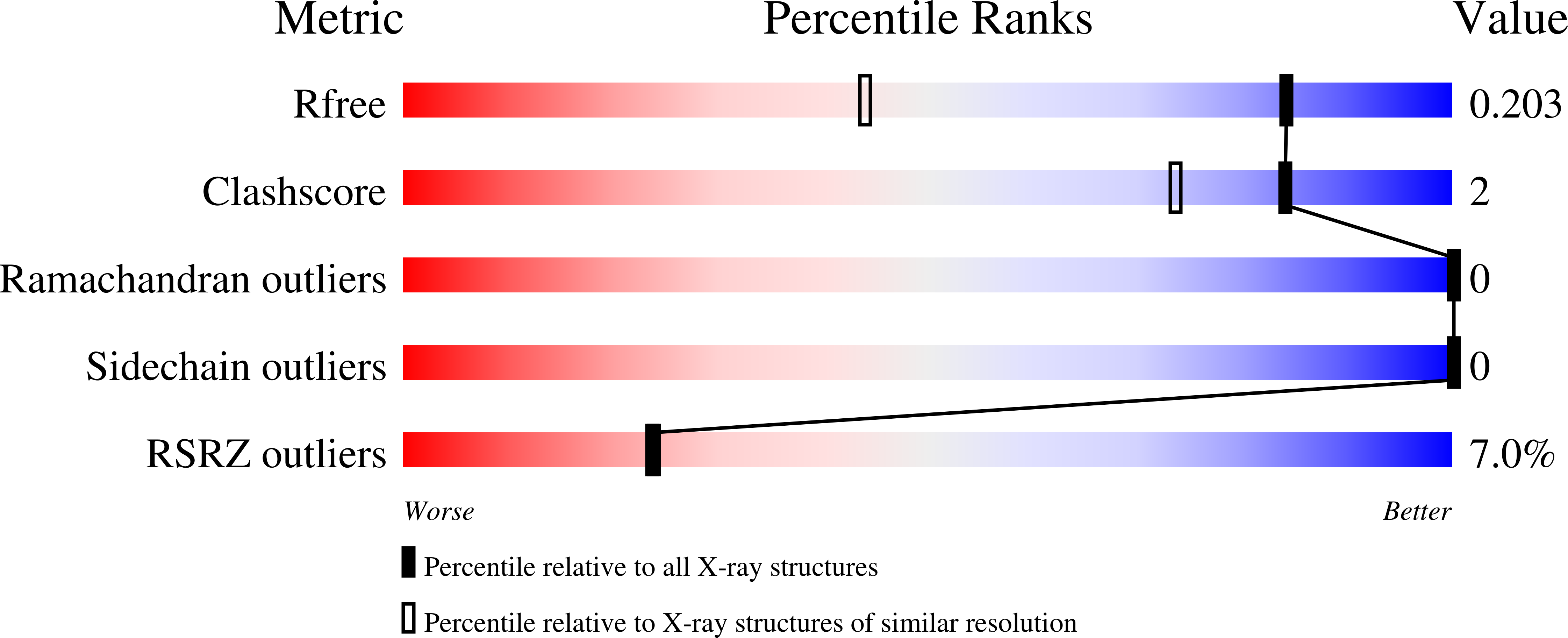
0.20
R-Value Work:
0.18
R-Value Observed:
0.18
Space Group:
P 21 21 21
Macromolecular Entities
Structures with similar UniProt ID
Protein Blast
Polymer Type:polypeptide(L)
Molecule:CD44 antigen
Gene (Uniprot):Cd44
Chain IDs:A
Chain Length:154
Number of Molecules:1
Biological Source:Mus musculus
Structures with similar UniProt ID
Protein Blast
Polymer Type:polypeptide(L)
Molecule:M11 protein
Gene (Uniprot):m11
Chain IDs:B
Chain Length:147
Number of Molecules:1
Biological Source:Murid betaherpesvirus 1
Primary Citation

Abstact

The movement of dendritic cells and T cells within secondary lymphoid organs is critical for the development of adaptive immune responses1,2. Central to this process is the fibroblastic reticular cell (FRC) network, which forms a highly organized conduit system that facilitates the movement of and interactions between dendritic cells and T cells3-6. Previous studies have partly characterized how FRCs support these interactions7,8. However, the molecular mechanisms that operate under physiological conditions remain unknown. Here we show that the viral protein m11, encoded by the herpesvirus murine cytomegalovirus (CMV), inhibits antiviral immunity by targeting the FRC network and interfering with a critical function of cellular CD44. We found that m11 binds to CD44 and established that m11 perturbs the molecular interactions of CD44 with its natural ligand, hyaluronic acid. The interaction of m11 with CD44 impairs the trafficking of dendritic cells within the spleen, thereby impeding efficient priming of naive T cells and the initiation of antiviral CD8 T cell responses. The targeting of CD44 by CMV reveals CD44 as a molecule that is essential to the functioning of the FRC network and uncovers a previously unrecognized stroma-based mechanism that is critical for the generation of effective T cell responses.

Legend

Protein

Chemical

Disease

Primary Citation of related structures
Feedback Form
Name
Email
Institute
Feedback