

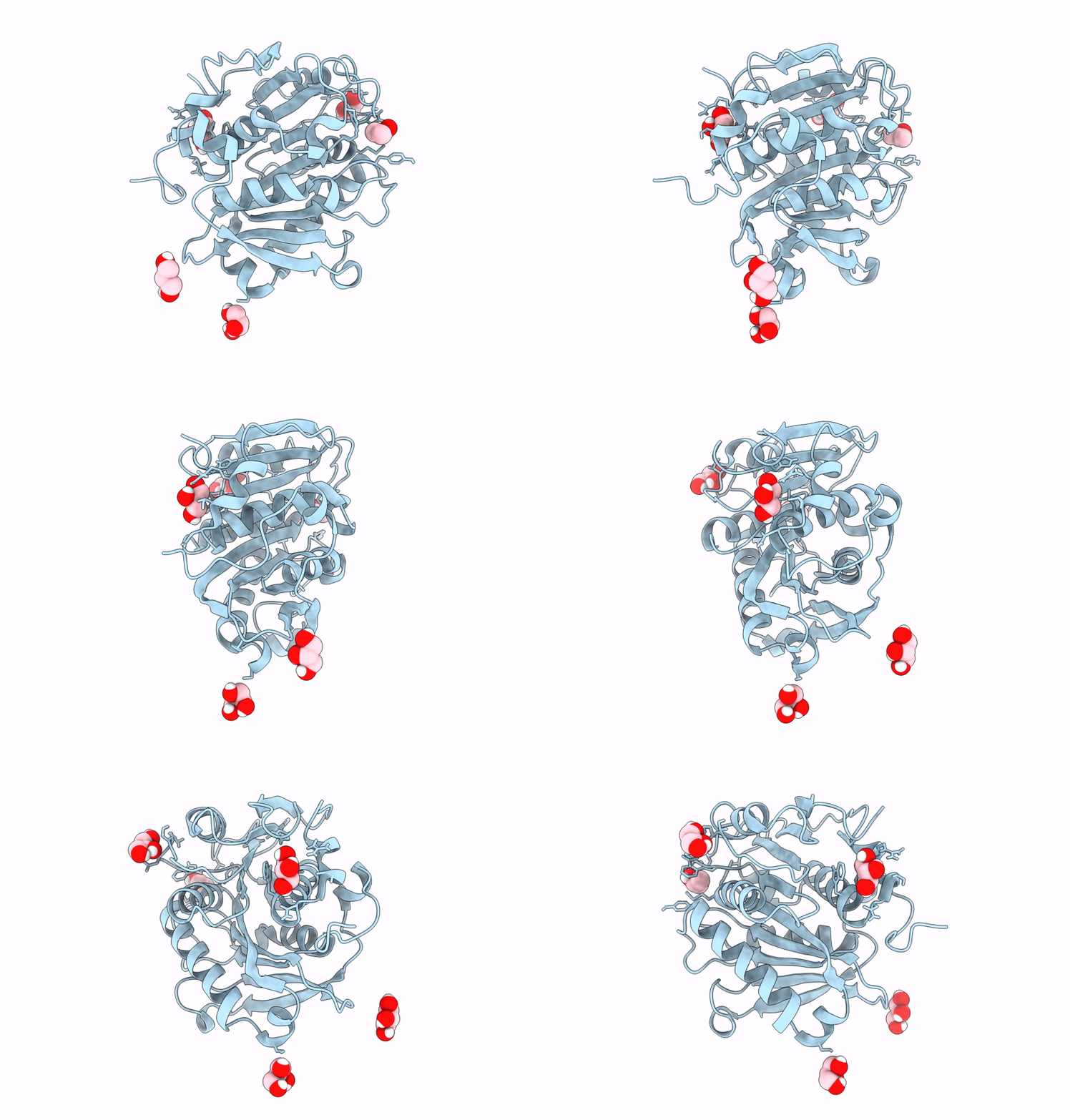
8CMV image
Deposition Date 2023-02-21
Release Date 2024-03-06
Last Version Date 2026-02-18
Entry Detail
PDB ID:
8CMV
Keywords:
Title:
Engineered PETase enzyme from LCC - C09 mutant
Biological Source:
Source Organism(s):
Expression System(s):
Method Details:
Experimental Method:
Resolution:
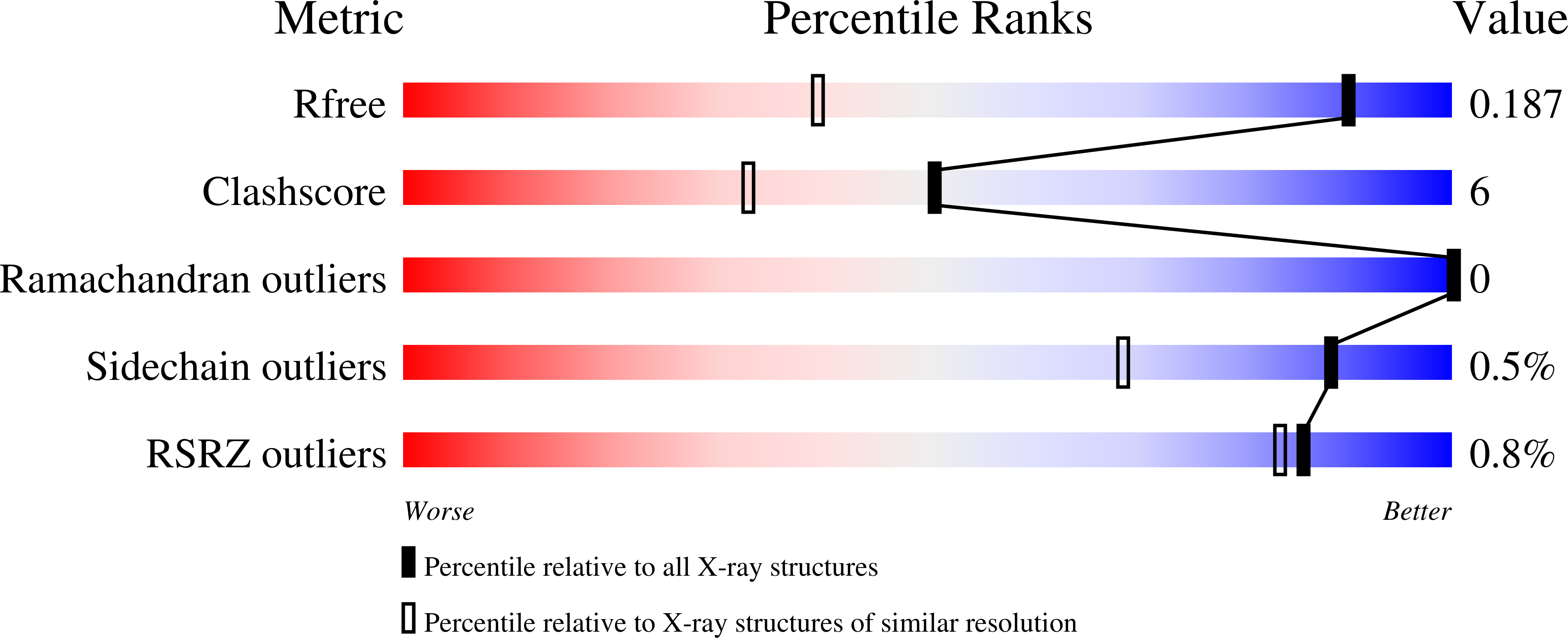
1.28 Å
R-Value Free:
0.18
R-Value Work:
0.16
Space Group:
P 63
Macromolecular Entities
Structures with similar UniProt ID
Protein Blast
Polymer Type:polypeptide(L)
Molecule:Leaf-branch compost cutinase
Chain IDs:A
Chain Length:301
Number of Molecules:1
Biological Source:unidentified prokaryotic organism
Primary Citation
Development of a highly active engineered PETase enzyme for polyester degradation.
Febs J. 293 443 455 (2026)
PMID: 40847613 DOI: 10.1111/febs.70228

Abstact

Polyethylene terephthalate (PET) accounts for ≈6% of global plastic production, contributing considerably to the global solid-waste stream and environmental plastic pollution. Since the discovery of PET-depolymerizing enzymes, enzymatic PET recycling has been regarded as a promising method for plastic disposal, particularly in the context of a circular economy strategy. However, because the PET-degrading enzymes developed so far suffer from relatively limited thermostability and low catalytic efficiency, as well as degradation product inhibition, their large-scale industrial applications are still largely hampered. To overcome these limitations, we engineered the current PET-hydrolyzing enzyme gold standard [the ICCG variant of leaf-branch compost cutinase (LCC-ICCG)] using in silico protein design methods to develop a PET-hydrolyzing enzyme that features enhanced thermal stability and PET depolymerization activity. Our mutant, LCC-ICCG-C09, features a 3.5 °C increase in melting temperature relative to the LCC-ICCG enzyme. Under optimal reaction conditions (68 °C), the engineered enzyme hydrolyzes amorphous PET material into terephthalic acid (TPA) with a two-fold higher efficiency compared to LCC-ICCG. Owing to its enhanced properties, LCC-ICCG-C09 may be a promising candidate for future applications in industrial PET recycling processes.

Legend

Protein

Chemical

Disease

Primary Citation of related structures
Feedback Form
Name
Email
Institute
Feedback