

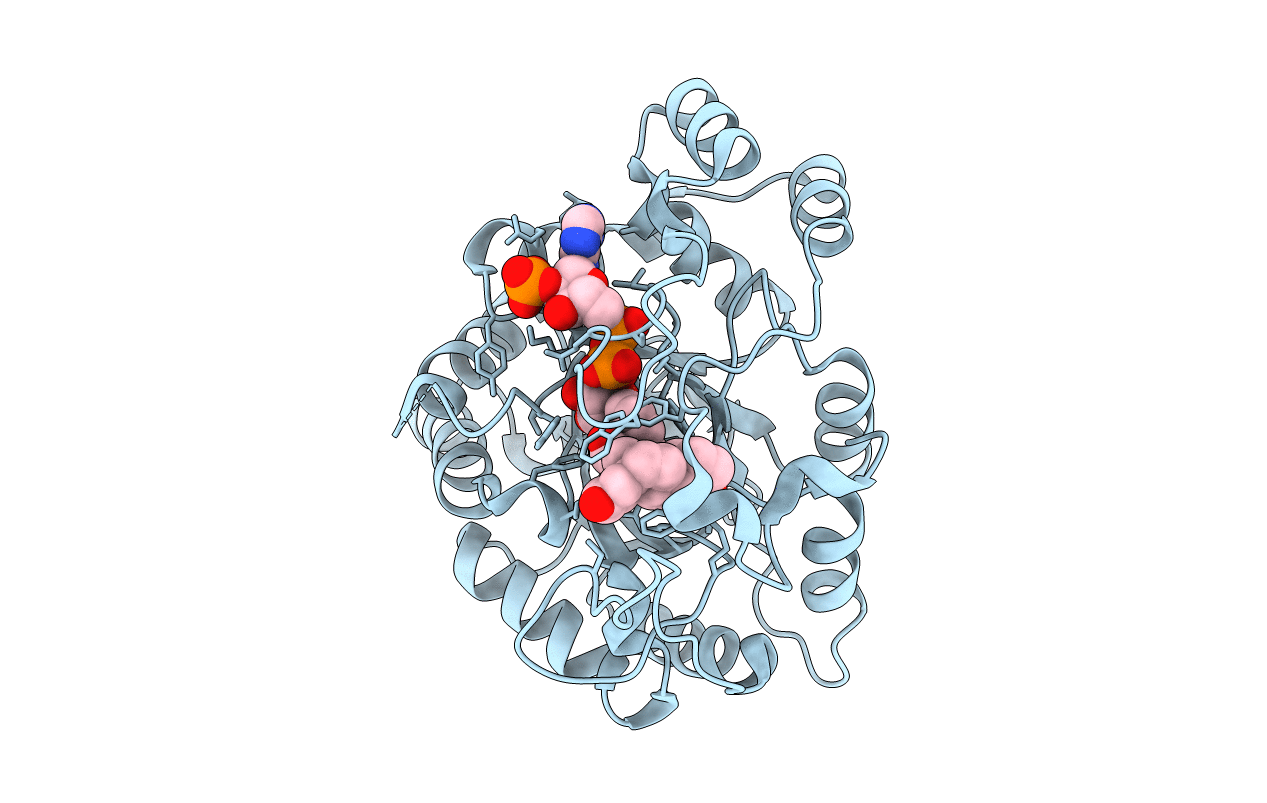
1XF0 image
Deposition Date 2004-09-13
Release Date 2004-10-26
Last Version Date 2023-08-23
Entry Detail
PDB ID:
1XF0
Keywords:
Title:
Crystal structure of human 17beta-hydroxysteroid dehydrogenase type 5 (AKR1C3) complexed with delta4-androstene-3,17-dione and NADP
Biological Source:
Source Organism(s):
Homo sapiens (Taxon ID: 9606)
Expression System(s):
Method Details:
Experimental Method:
Resolution:
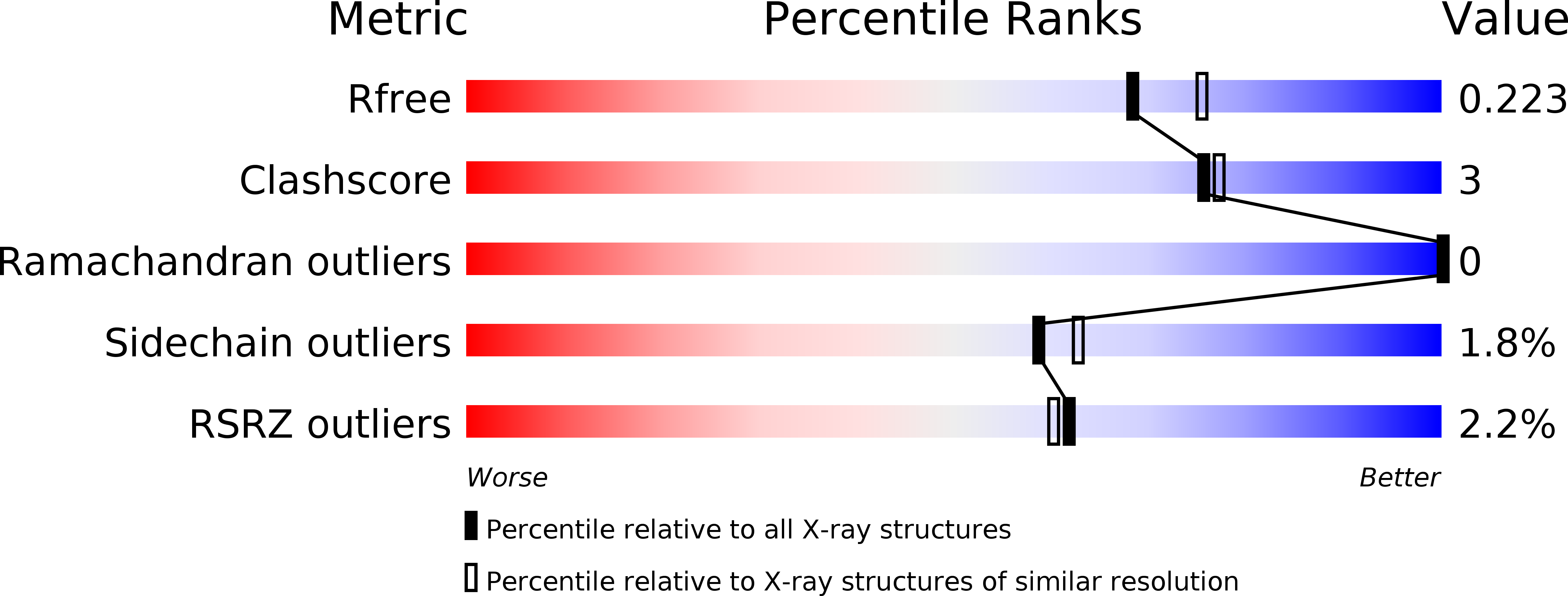
2.00 Å
R-Value Free:
0.22
R-Value Work:
0.17
R-Value Observed:
0.17
Space Group:
P 63
Macromolecular Entities
Structures with similar UniProt ID
Protein Blast
Polymer Type:polypeptide(L)
Molecule:Aldo-keto reductase family 1
Gene (Uniprot):AKR1C3
Chain IDs:A
Chain Length:323
Number of Molecules:1
Biological Source:Homo sapiens
Primary Citation
Crystal structures of the multispecific 17beta-hydroxysteroid dehydrogenase type 5: critical androgen regulation in human peripheral tissues
Mol.Endocrinol. 18 1798 1807 (2004)
PMID: 15087468 DOI: 10.1210/me.2004-0032

Abstact

Human type 5 17beta-hydroxysteroid dehydrogenase (17beta-HSD5;AKR1C3) plays a major role in the metabolism of androgens in peripheral tissues. In prostate basal cells, this enzyme is involved in the transformation of dehydroepiandrosterone into dihydrotestosterone, the most potent androgen. It is thus a potential target for prostate cancer therapy because it is understood that the testosterone formation by this enzyme is an important factor, particularly in patients who have undergone surgical or medical castration. Here we report the first structure of a human type 5 17beta-HSD in two ternary complexes, in which we found that the androstenedione molecule has a different binding position from that of testosterone. The two testosterone-binding orientations in the substrate-binding site demonstrate the structural basis of the alternative binding and multispecificity of the enzyme. Phe306 and Trp227 are the key residues involved in ligand recognition as well as product release. A safety belt in the cofactor-binding site enhances nicotinamide adenine dinucleotide phosphate binding and accounts for its high affinity as demonstrated by kinetic studies. These structures have provided a dynamic view of the enzyme reaction converting androstenedione to testosterone as well as valuable information for the development of potent enzyme inhibitors.

Legend

Protein

Chemical

Disease

Primary Citation of related structures
Feedback Form
Name
Email
Institute
Feedback